BI vs Data Analytics – Key Differences
 Althaf Mohamed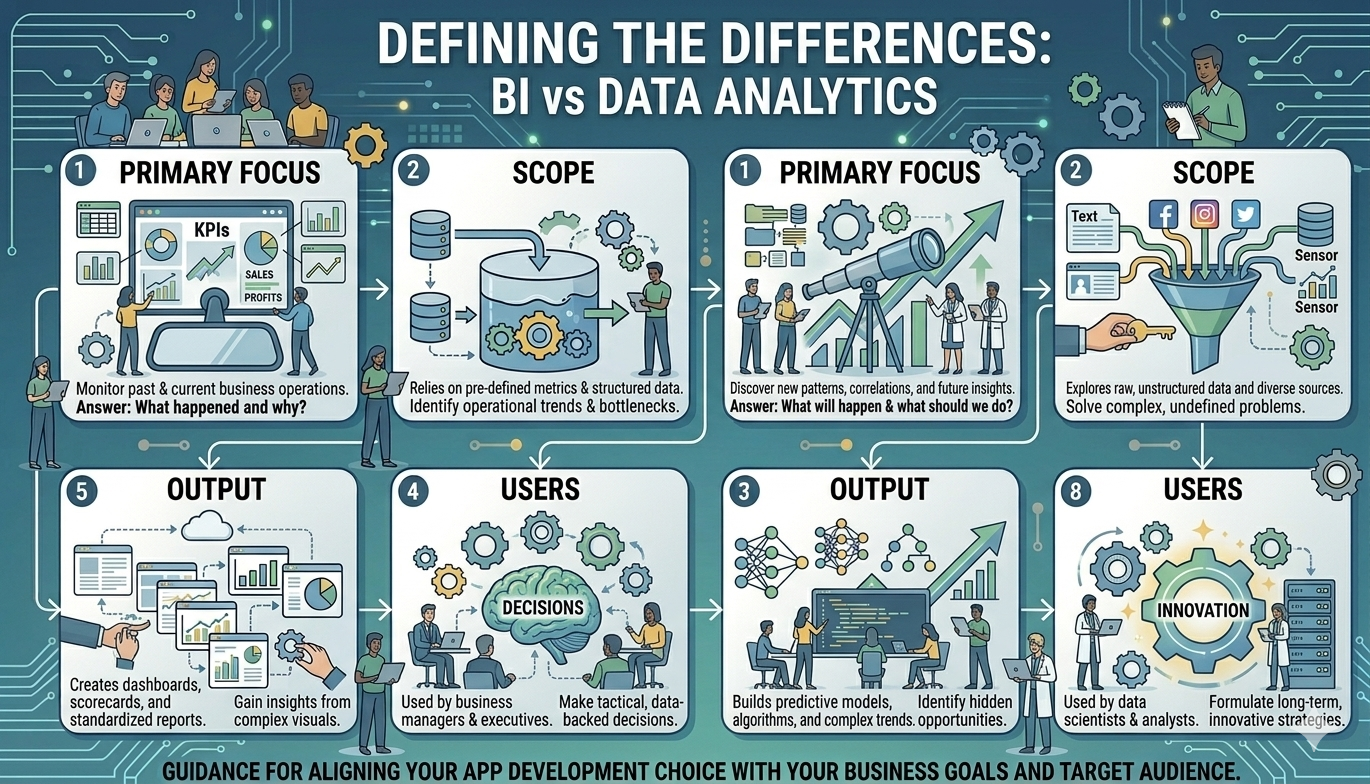
Business Intelligence (BI) and Data Analytics are often used interchangeably, yet they serve distinct roles in the data ecosystem. Understanding these differences is critical for building the perfect team and selecting the correct tools for your firm.
What Is Business Intelligence (BI)?
Business Intelligence (BI) refers to the process of collecting, analyzing, and presenting historical and current data to support business decision-making.
BI focuses on answering questions like:
What happened in the business?
How did sales perform last month?
Which products are generating the most revenue?
BI tools typically provide:
Dashboards
Reports
Data visualizations
KPIs (Key Performance Indicators)
For an example: A company uses a BI dashboard to track monthly sales performance and identify trends.
What Is Data Analytics?
Data Analytics is a broader concept that involves examining raw data to uncover patterns, trends, and future predictions.
It focuses on answering questions like:
Why did this happen?
What will happen next?
How can we improve outcomes?
Data analytics includes:
Statistical analysis
Predictive modeling
Machine learning
Data mining
For an example: An e-commerce company analyzes customer behavior to predict future purchases and recommend products.
Types of Data Analytics
Data analytics can be divided into four main types:
Descriptive Analytics – What happened?
Diagnostic Analytics – Why did it happen?
Predictive Analytics – What will happen?
Prescriptive Analytics – What should be done?
Defining the Roles
To understand the difference, think of BI as a rearview mirror and Data Analytics as a telescope.
Business Intelligence (BI): Focuses on "Descriptive Analytics." It looks at historical and current data to explain what has already happened and how a business is performing right now.
Data Analytics: A broader term that includes "Predictive" and "Prescriptive Analytics." It uses data to discover new patterns, predict future outcomes, and suggest specific actions.
BI vs Data Analytics – Key Differences
Business Intelligence (BI) | Data Analytics |
|---|---|
BI focuses on analyzing past and present data to understand what has already happened in the business. | Data Analytics focuses on future predictions and deeper insights, helping to understand what will happen next. |
The main goal is reporting and monitoring business performance using dashboards and KPIs. | The goal is deep analysis and forecasting, using advanced techniques to guide strategic decisions. |
BI follows a structured and predefined approach, using fixed queries and standard reports. | Data Analytics is exploratory and flexible, allowing analysts to experiment with data and discover hidden patterns. |
BI primarily works with structured data from databases and data warehouses. | Data Analytics works with both structured and unstructured data, including text, logs, and big data. |
Typically used by business users, managers, and executives for decision-making. | Used by data analysts, data scientists, and technical experts for deep data exploration. |
Common tools include Microsoft Power BI and Tableau for dashboards and reporting. | Tools include programming languages like Python, R, and machine learning frameworks for advanced analysis. |
Produces dashboards, reports, and visual summaries for quick understanding. | Produces models, predictions, and actionable insights based on data analysis. |
Business Intelligence is best used when need a clear view of what has already happened or what is currently happening in the business. It is ideal for monitoring performance, tracking KPIs, generating reports, and supporting day-to-day operational decisions. BI tools help decision-makers quickly understand trends through dashboards and visualizations without needing deep technical analysis. For example, a retail company can use BI to track daily sales, monitor inventory levels, and identify top-selling products. Managers can then make quick decisions—such as restocking items or adjusting pricing—based on real-time and historical data.
Data analytics is better for going beyond reporting and understanding why something happened or predicting what will happen next. It is utilized for in-depth analysis, identifying hidden patterns, and making strategic, future-oriented decisions. This includes statistical methods, predictive models, and, in some cases, machine learning. For example, an e-commerce platform could employ data analytics to identify user behavior, identify why sales dropped, and forecast future buying trends. Based on this analysis, the company can personalize recommendations, optimize marketing campaigns, and enhance customer retention strategies.
Frequently Asked Questions
Althaf Mohamed
Technical Author
Software Engineer and technical author specializing in web architectures, databases, and secure distributed systems.
Trending Now
Recent Posts
Beginner's Guide to Software Development: Everything You Need to Know in 2026
May 30, 2026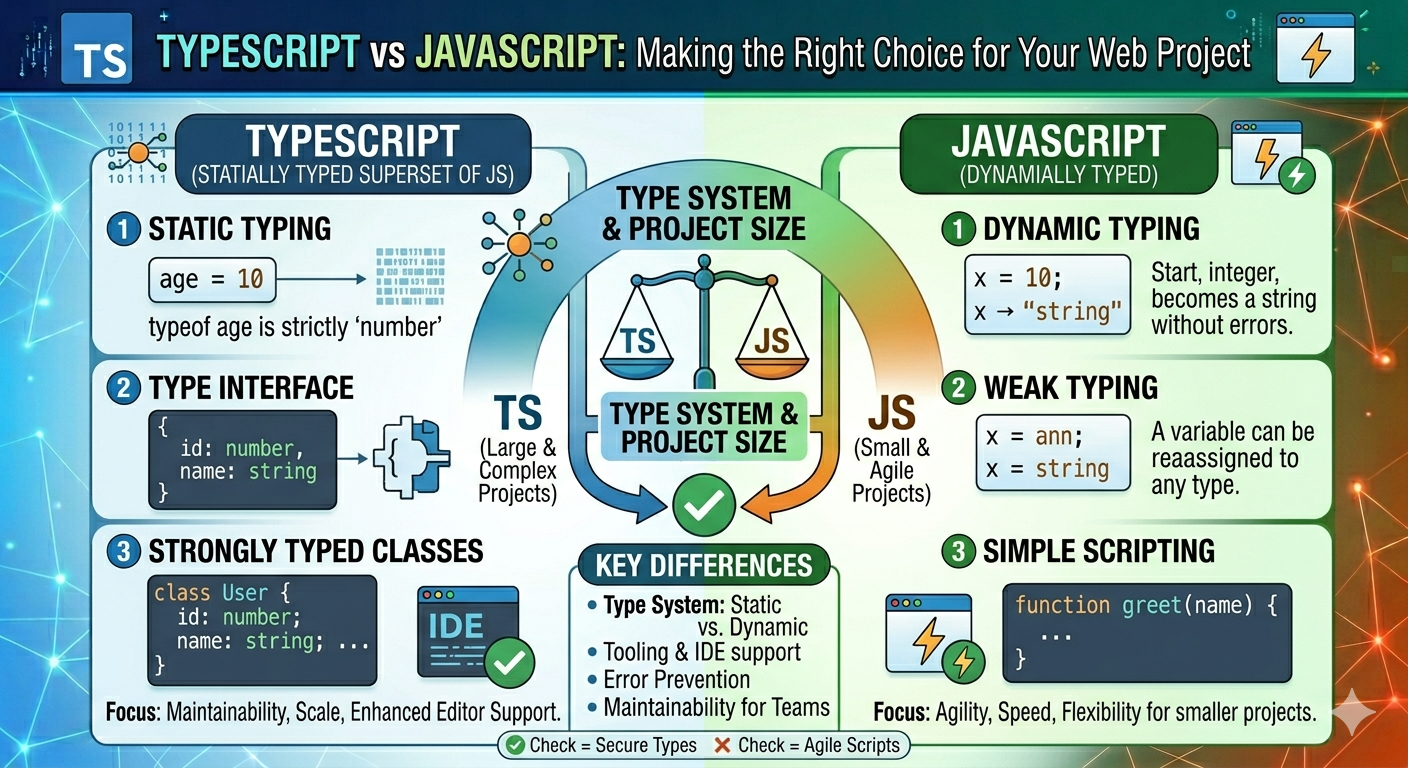
TypeScript vs JavaScript - Key Differences
May 04, 2026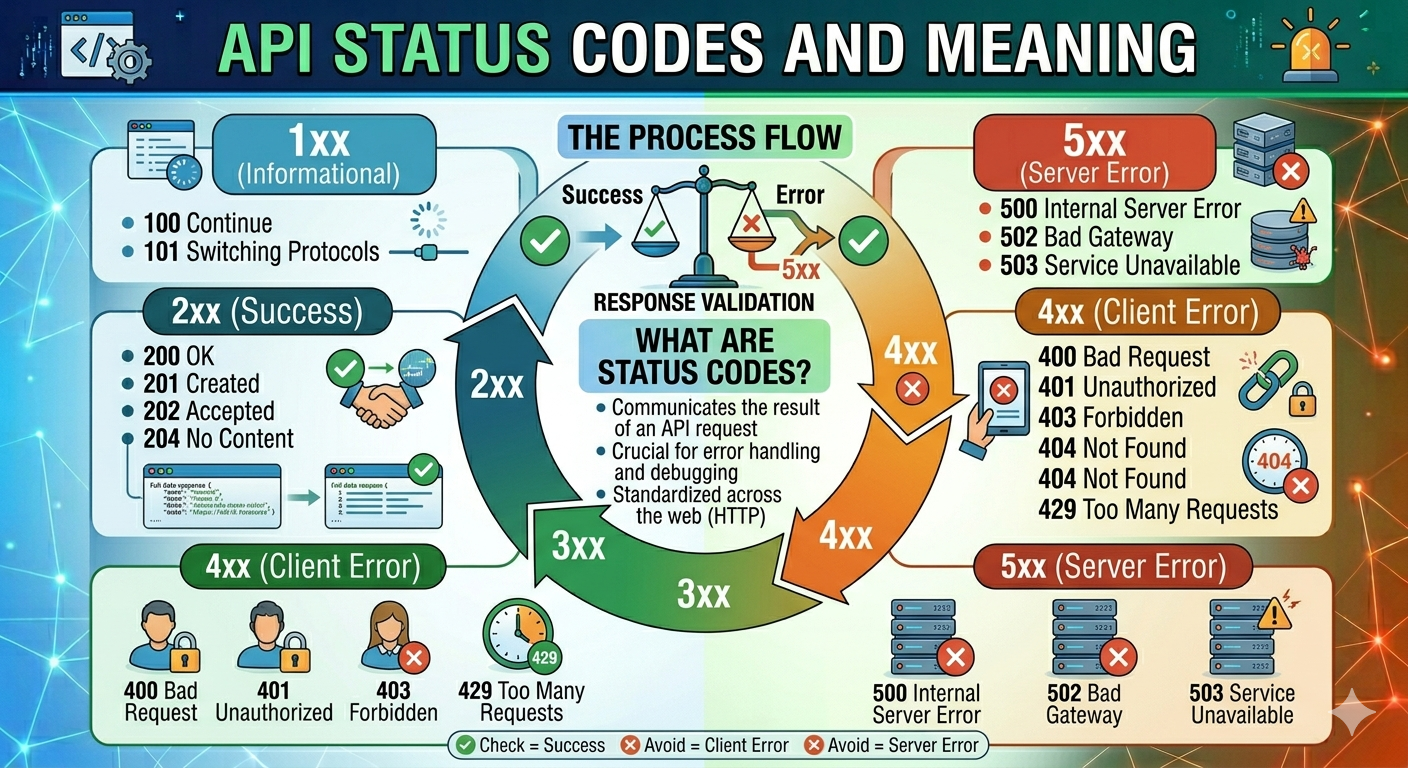
API Status Codes & Meanings
May 04, 2026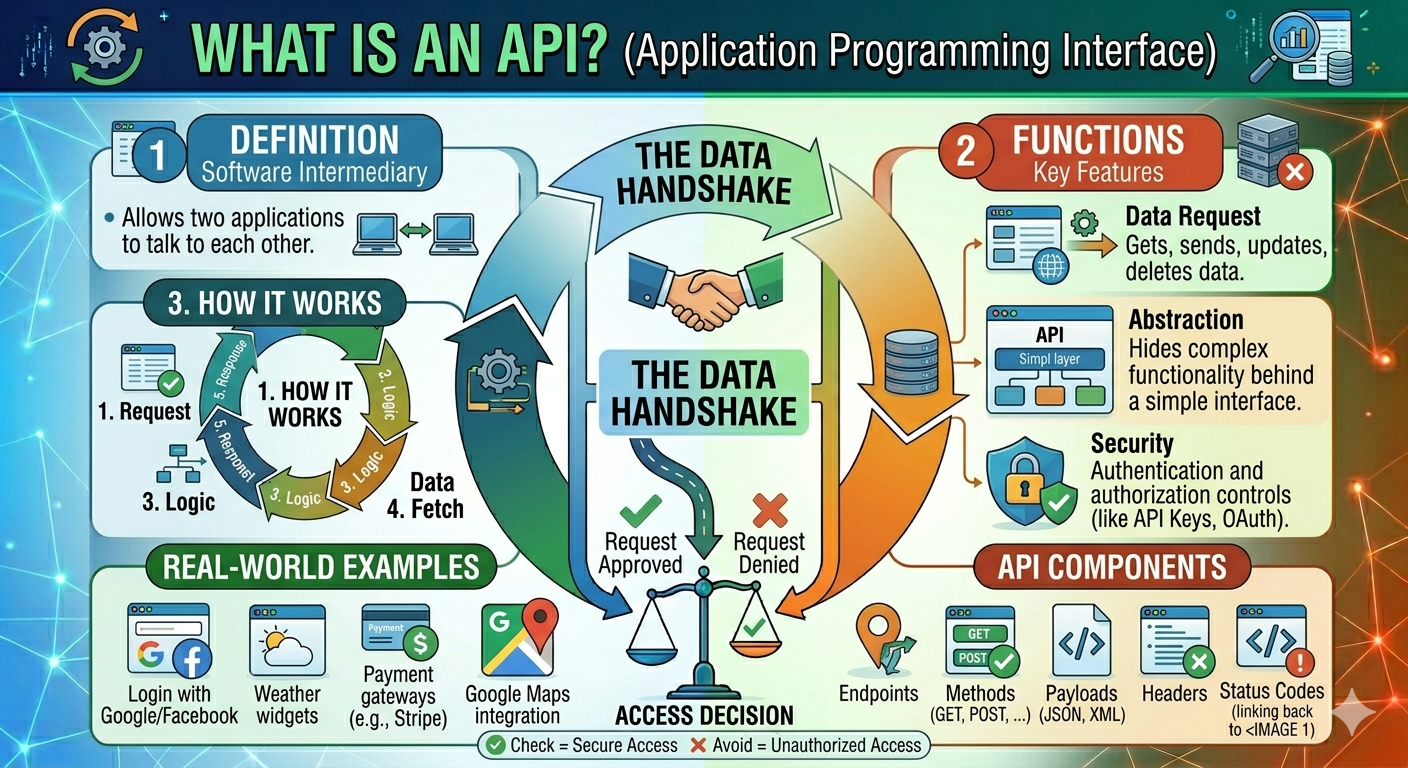
What is an Application Programming Interface (API)
May 04, 2026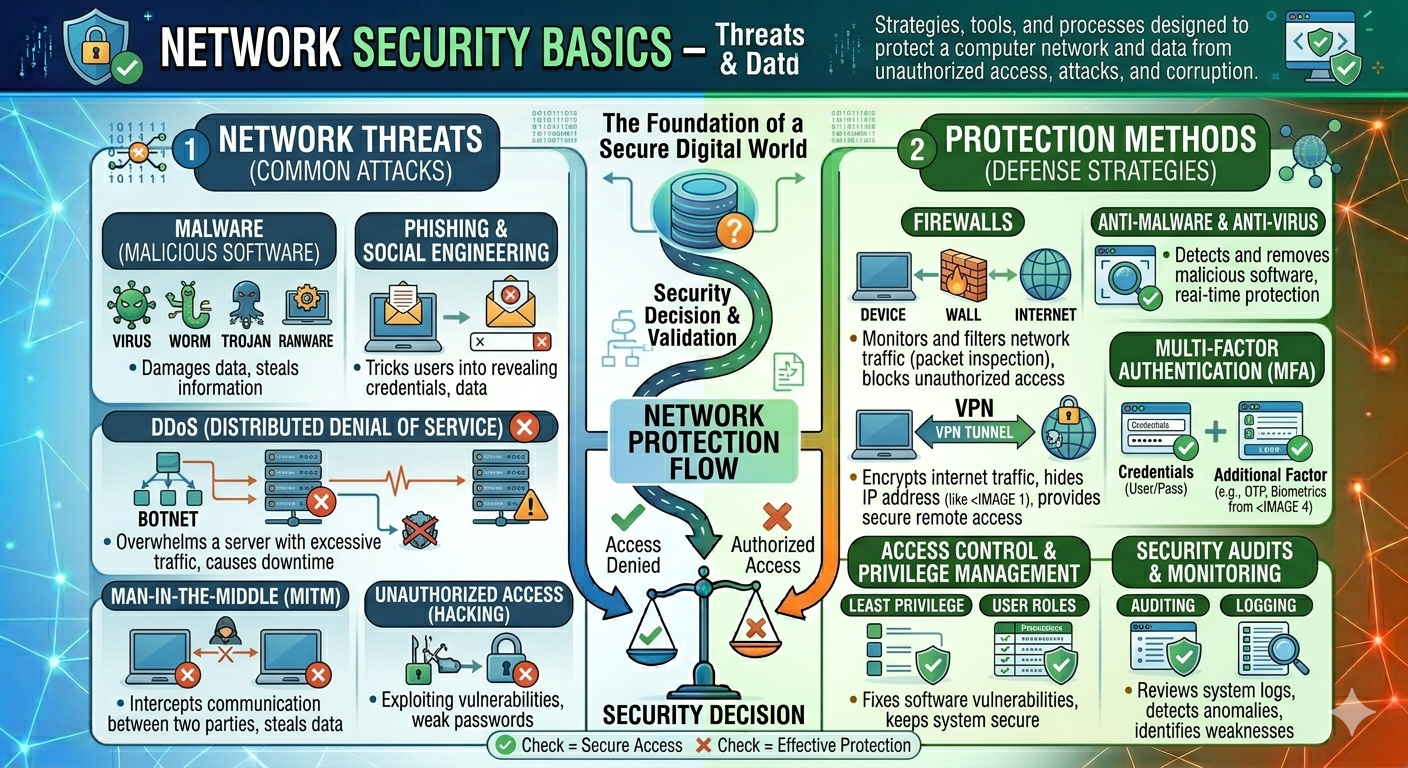
Network Security Basics – Threats & Protection Methods
May 04, 2026