What Is Business Intelligence? Tools & Benefits
 Althaf Mohamed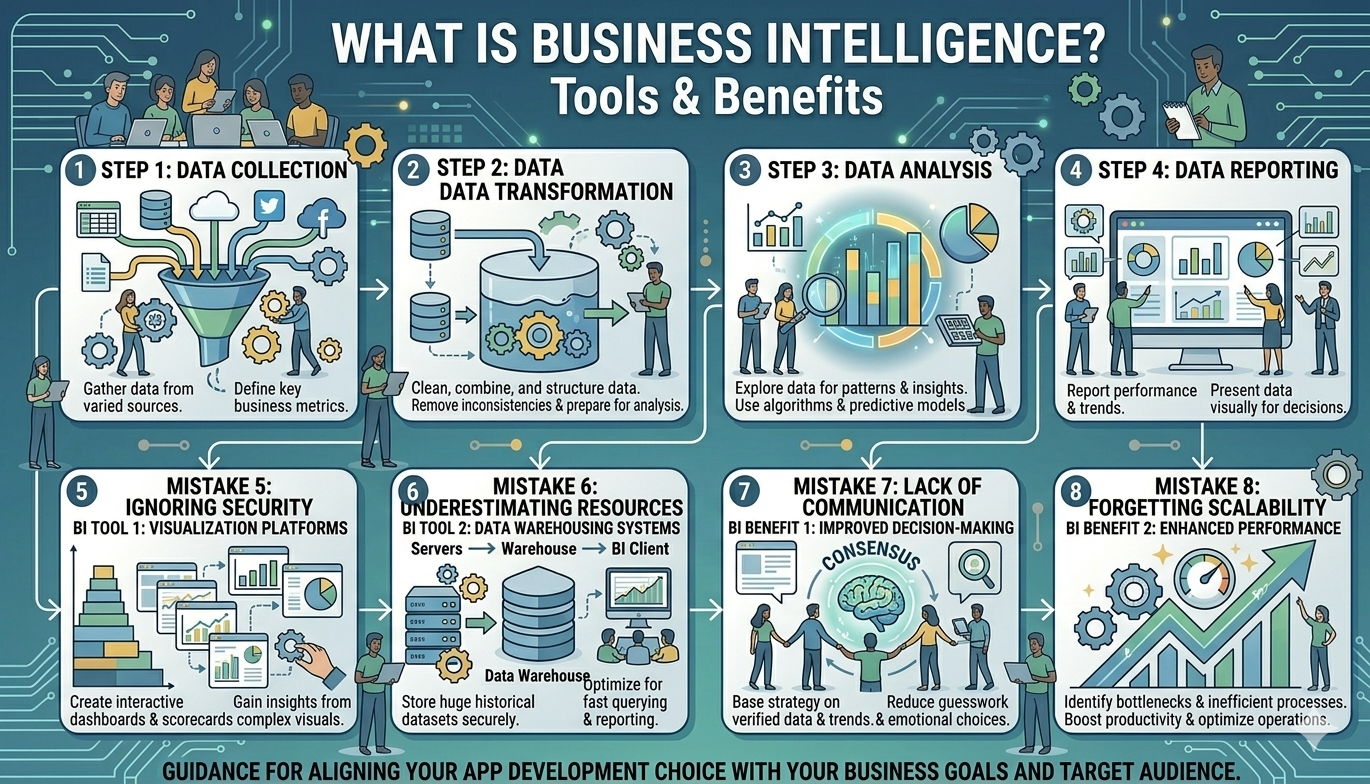
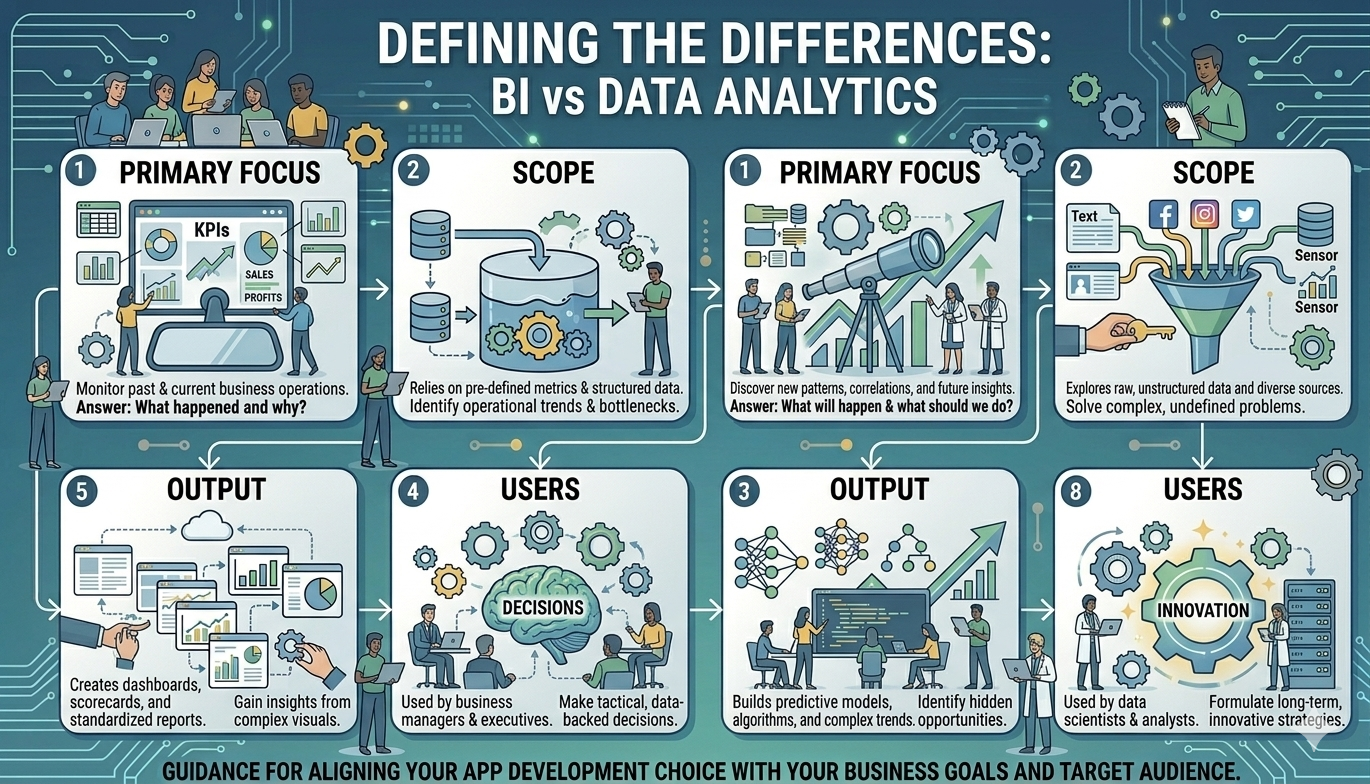
In today’s digital economy, data is one of the most valuable assets for any organization. However, raw data alone is not useful unless it is analyzed and transformed into meaningful insights. This is where Business Intelligence (BI) comes into play. It allows organizations to stop "guessing" and start making decisions based on historical data, real-time trends, and predictive insights.
Business Intelligence helps organizations make smarter, data-driven decisions by converting complex data into easy-to-understand reports, dashboards, and visualizations. From tracking sales performance to predicting market trends, BI plays a crucial role in modern business success.
This guide explains what BI is, the tools that make it happen, and why it is essential for modern business growth.
What Is Business Intelligence?
Business Intelligence refers to the procedural and technical infrastructure that collects, stores, and analyzes the data produced by a company's activities. BI is a broad term that encompasses data mining, process analysis, performance benchmarking, and descriptive analytics. The goal of BI is to support better decision-making by providing accurate, timely, and actionable insights.
BI systems gather data from various sources such as databases, spreadsheets, and cloud services, then process and display it in a meaningful way.
How Business Intelligence Works
Business intelligence (BI) uses a structured pipeline to convert raw data into valuable insights. This process involves several key steps, each with a critical function in delivering accurate and actionable results.
Data Collection
The first step in Business Intelligence (BI) involves gathering data from a variety of sources. These sources can include databases, enterprise systems such as ERP and CRM, APIs, spreadsheets, and cloud platforms. The data can be either structured, like tables, or unstructured, such as logs or text. The primary objective of this stage is to ensure that all relevant data is accessible for subsequent analysis.
Data Integration
Once data is collected, it undergoes a process known as ETL (Extract, Transform, Load), where it is combined into a centralized system like a data warehouse or data lake. This integration ensures that data from various sources is unified into a consistent format, thereby eliminating data silos and establishing a single source of truth for the organization.
Data Processing
In this stage, the data undergoes cleaning and transformation to enhance its quality and usability. Key processes involved include the removal of duplicates, addressing missing values, correcting errors, and standardizing formats. Effective data processing is crucial as it ensures the accuracy and reliability of subsequent analysis.
Data Analysis
After the processing stage, the data undergoes analysis to uncover patterns, trends, and relationships. Analysts employ various statistical methods, queries, and business intelligence (BI) tools to derive insights. This analysis is crucial for addressing key business inquiries, including performance trends, customer behaviors, and the efficiency of operations.
Data Visualization
The final step involves presenting the analyzed data using visual tools such as dashboards, charts, graphs, and reports. These visualization methods facilitate clear communication of insights, allowing stakeholders to quickly interpret the data and make informed decisions without requiring technical expertise.
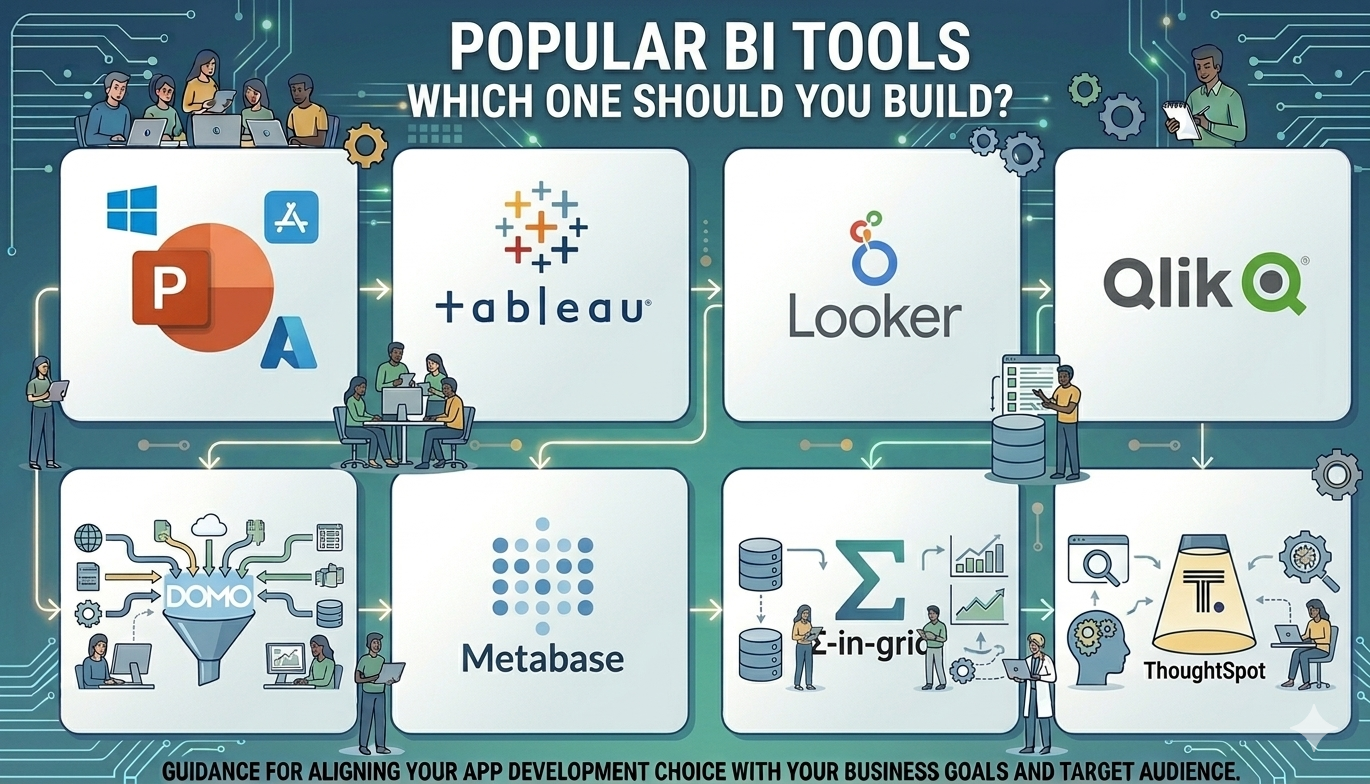
Popular Business Intelligence Tools
Microsoft Power BI
Tableau
Google Looker Studio
Qlik Sense
SAP BusinessObjects
Benefits of Business Intelligence
Better Decision-Making
Business Intelligence (BI) tools offer organizations the ability to access precise and real-time data, which supports informed decision-making. These decisions are grounded in verified data, moving away from reliance on intuition or emotional judgments.
Improved Efficiency
Automation in reporting and data analysis plays a crucial role in saving time and minimizing manual effort. By identifying operational bottlenecks and inefficient processes, organizations can significantly enhance productivity.
Enhanced Data Visualization
Complex data can be efficiently communicated using simple formats like charts and dashboards, which help in visualizing and understanding intricate information at a glance.
Competitive Advantage
Businesses have the capability to detect trends and opportunities more rapidly than their competitors, allowing them to stay ahead in the market.
Real-Time Insights
Access to live data enables organizations to react swiftly to fluctuations and modifications in their operational environment, enhancing responsiveness and adaptability.
Challenges of Business Intelligence
High implementation cost for advanced tools
Data security and privacy concerns
Integration with existing systems
Learning curve for new users
Future Trends in Business Intelligence
AI and machine learning integration
Cloud-based BI platforms
Self-service BI tools
Real-time data analytics
Embedded analytics in applications
Business Intelligence (BI) has become essential for businesses of all sizes, including small startups and growing enterprises. Implementing BI tools enables organizations to gain a deeper understanding of their operations and enhances future planning, translating data into valuable assets. This shift ensures agility, efficiency, and profitability. Utilizing BI tools such as Microsoft Power BI and Tableau empowers businesses to improve decision-making processes, increase operational efficiency, and achieve a competitive advantage.
Frequently Asked Questions
Althaf Mohamed
Technical Author
Software Engineer and technical author specializing in web architectures, databases, and secure distributed systems.
Trending Now
Recent Posts
Beginner's Guide to Software Development: Everything You Need to Know in 2026
May 30, 2026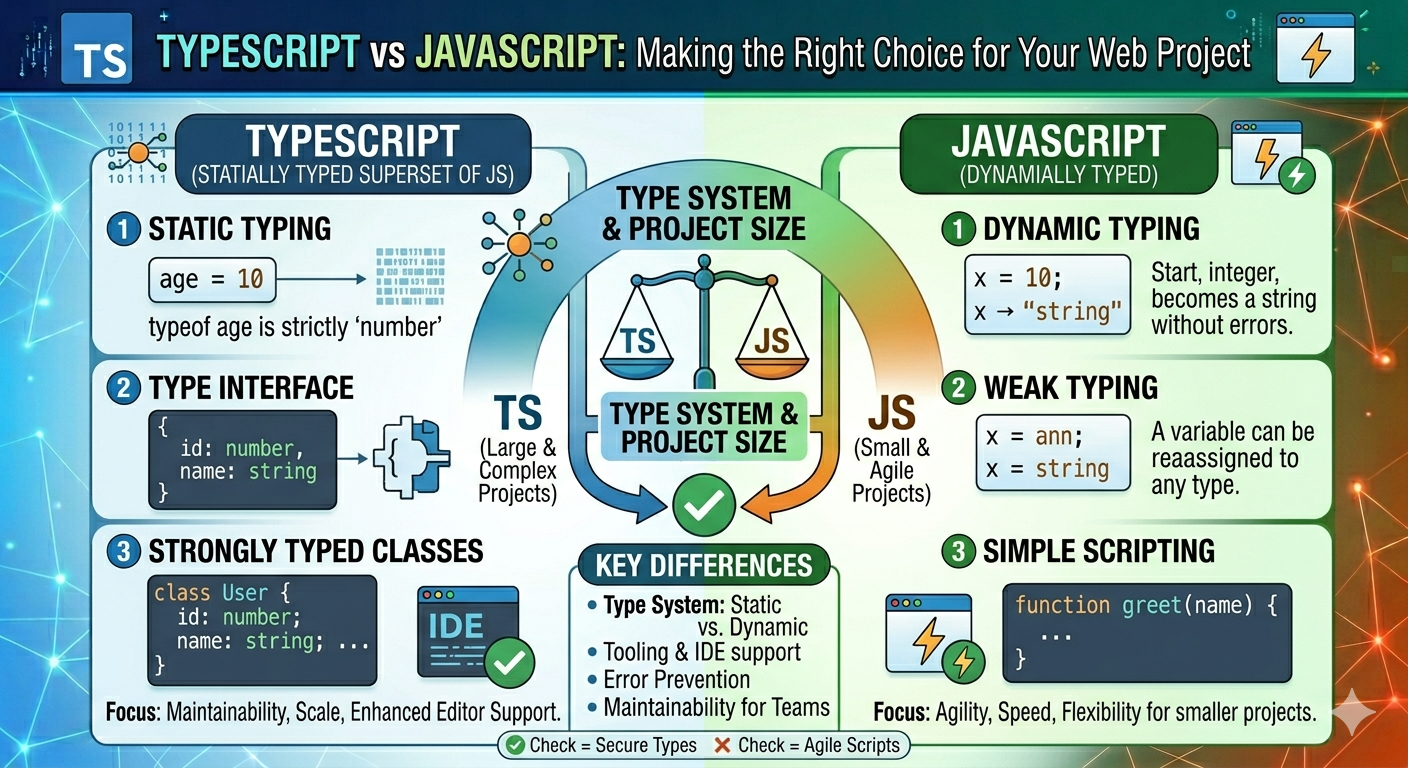
TypeScript vs JavaScript - Key Differences
May 04, 2026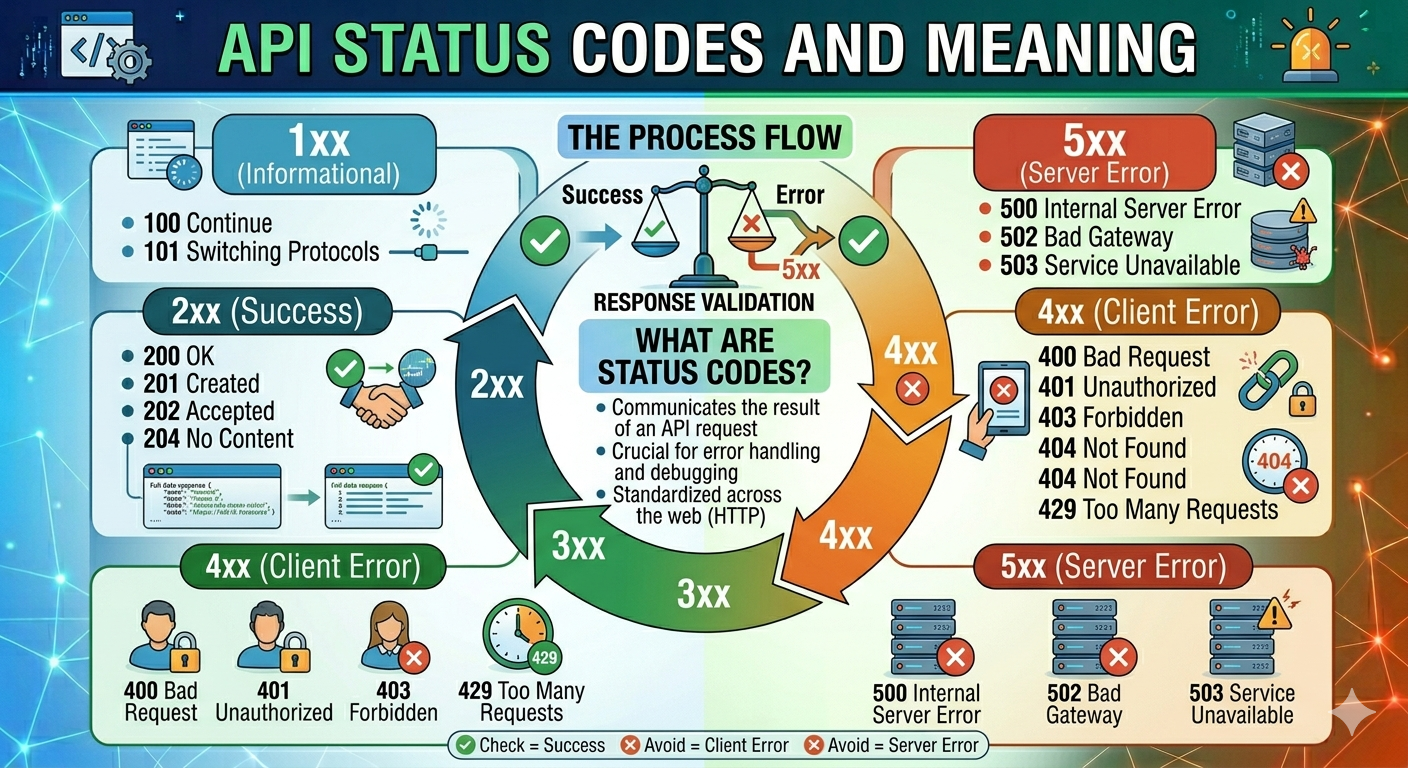
API Status Codes & Meanings
May 04, 2026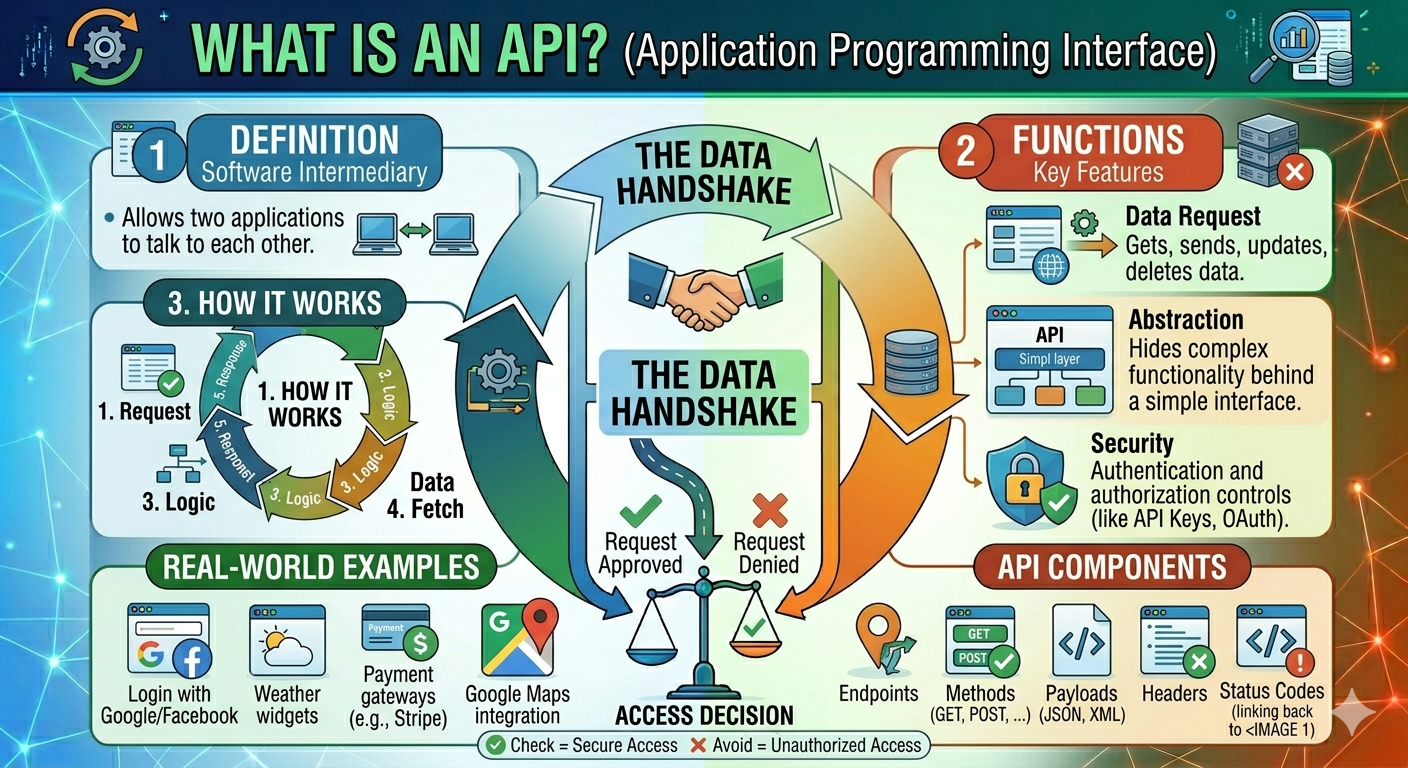
What is an Application Programming Interface (API)
May 04, 2026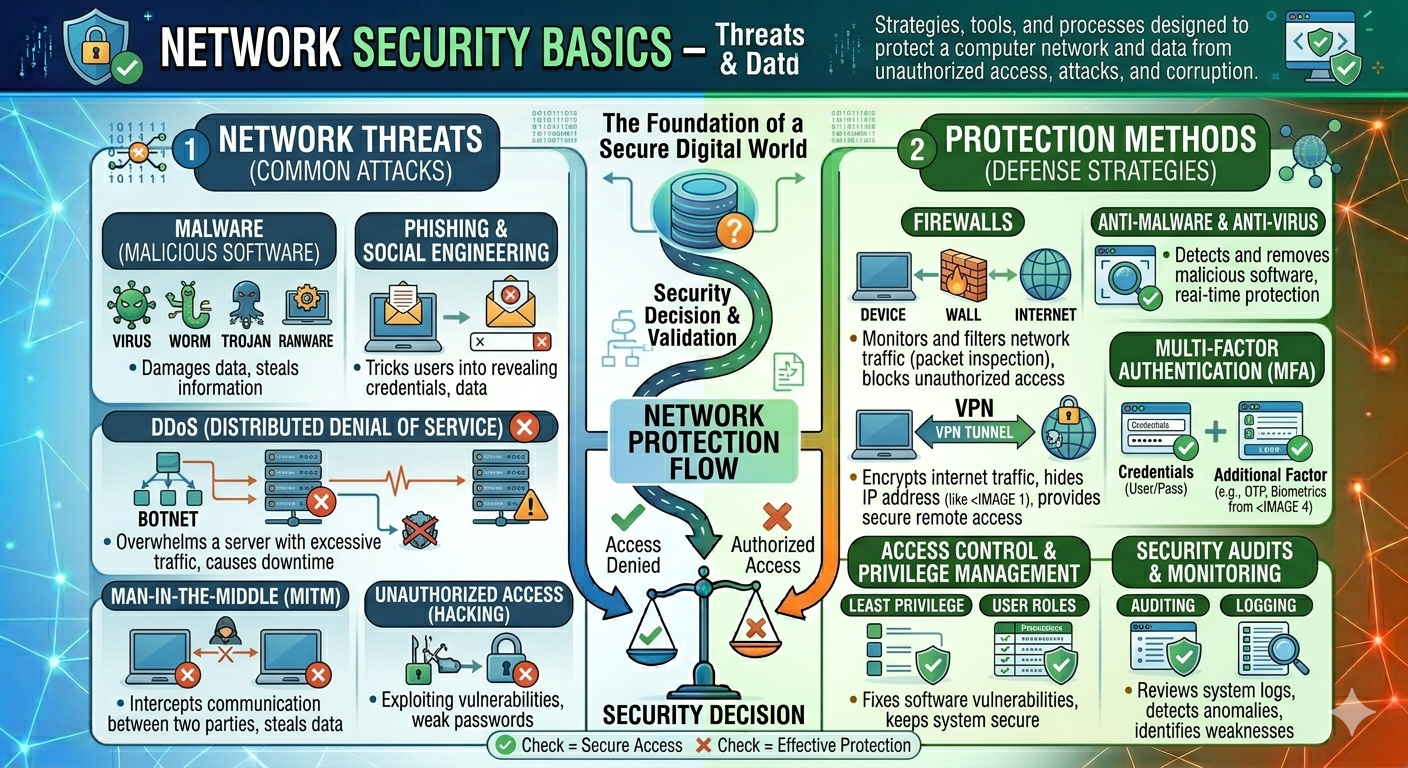
Network Security Basics – Threats & Protection Methods
May 04, 2026