Types of Business Process
 Althaf Mohamed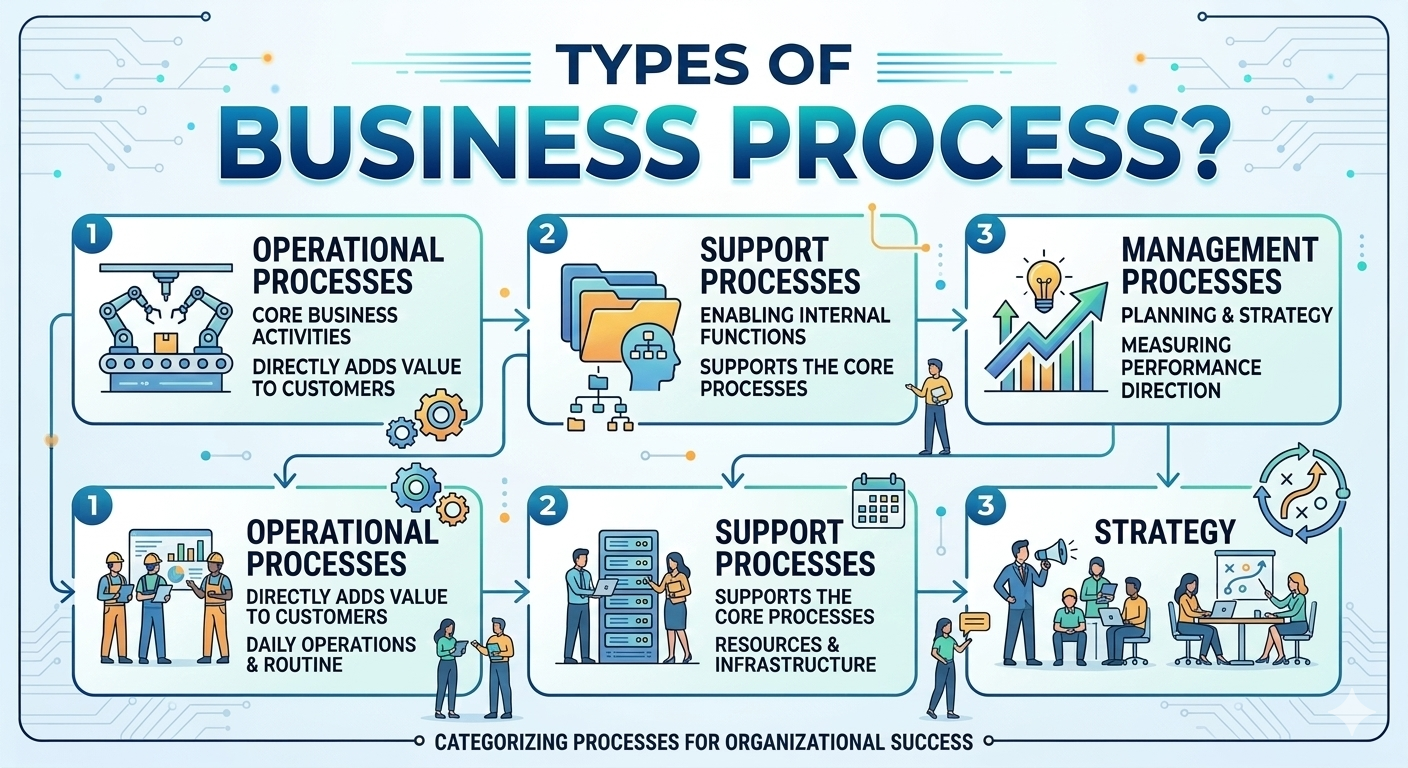
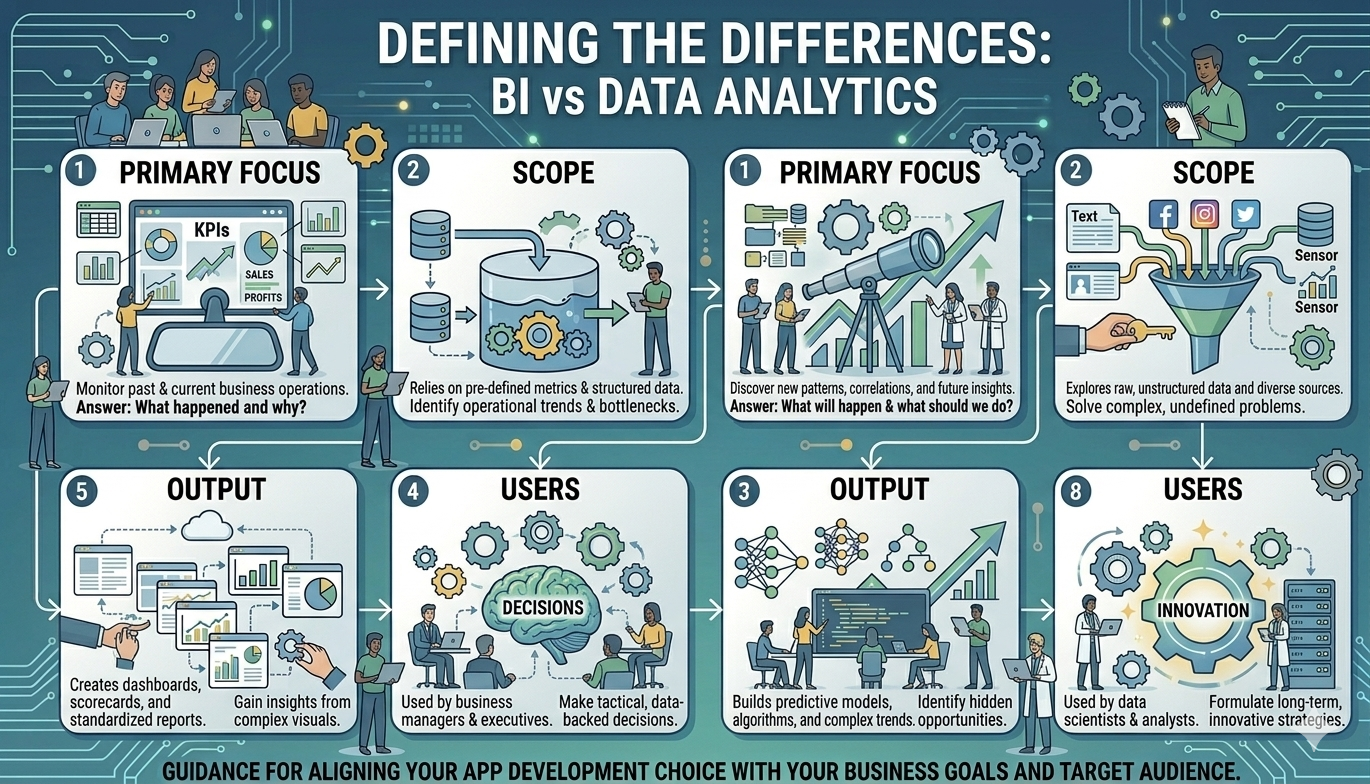
Business processes are the structured processes that businesses perform to achieve specific goals. While every company has many different workflows, the majority of business processes may be divided into three categories: operational processes, support processes, and management processes. Each type performs a distinct purpose, yet all three work together to ensure the organization's efficiency and long-term success.
Operational Process
These are the business ‘s main operations. The core values, vision, and mission of the business are directly related to these processes. They are also referred to as fundamental processes. These processes require additional care because they are the business’s main sources of income. It’s crucial to close the gaps and make the required adjustments to these processes. The firm will grow as a result of the evaluation of these processes after it is finished.
Characteristics of Operational Processes
Directly creating value for customers
generate revenue for the organization.
Align with the company's core goals.
Have a strong impact on customer satisfaction
Examples of Operational Processes
Order processing
Manufacturing
Sales and billing
Product delivery
Customer service
In a restaurant, the operational process includes Taking customer orders, making the food, and serving the food for customers and processing payments for an order as well. These activities directly deliver value to customers and generate income for the business.
Support Process
These are the processes that have nothing to do with providing the service or product to the consumer directly. But they help the business in creating an environment where the core operations can operate more effectively. That is how the term “supportive process” was coined. These are the processes that are the responsibility of the accounting department, the human resource management department, and any other department that assist in carrying out the core operations of the business.
Characteristics of Support Processes
Assist operational activities
Improve efficiency and productivity
Manage internal resources
Do not directly generate revenue
Examples of Support Processes
Human resource management
Recruitment and onboarding
Accounting and payroll
IT support
Procurement
Hiring a new employee is a support process. Although it does not directly serve customers, it ensures the organization has the talent needed to grow and operate successfully.
Management Process
Managing processes refers to the processes used to plan, arrange, coordinate, and oversee all corporate operations. These processes have objectives in mind. It entails encouraging and assisting the team in reaching their goals. These processes also aid in establishing a path for the business’s future expansion. These operations include regulating routine duties, instructing staff on how to do jobs well, introducing a new product, etc.
Management processes ensure that both operational and support processes align with the company’s vision and long-term plans.
Characteristics of Management Processes
Focus on planning and decision-making
Monitor organizational performance
Allocate resources
Guide future growth
Examples of Management Processes
Strategic planning
Budgeting
Performance evaluation
Risk management
Policy development
A CEO and management team (COO, Managers, and upper management) setting annual sales targets and monitoring departmental performance are performing management processes.
How These Processes Work Together
The three primary categories of business processes—operational, support, and management—do not operate separately. They are closely connected and work together to help the company achieve its objectives efficiently and effectively.
Operational Processes Create Customer Value
Operational processes are the primary operations that provide products or services to customers. These operations generate income while having a significant impact on customer satisfaction. Examples include product manufacturing, order processing, and service delivery.
Support Processes Enable Daily Operations
Support processes provide the resources, systems, and services required to run operational processes smoothly. Although they may not immediately generate customer value, they are critical for the organization's infrastructure. Examples include human resources, accounting, procurement, and IT support.
Management Processes Provide Direction and Control
Management processes are concerned with the planning, organization, monitoring, and control of a company's activities. They set objectives, allocate resources, and ensure that operational and support procedures are in line with business goals.
In an online retail business (E-Commerce), the operational process involves customers placing orders, processing payments, packing products, and delivering shipments. The support processes include payroll management by the accounting team, recruitment by the HR department, and website maintenance by the IT team. Management processes encompass executives setting sales targets, monitoring performance, and determining expansion strategies.
In this case, operational processes provide value to customers, support processes supply the essential infrastructure, and management processes guide the overall direction of the business.
Understanding these three types of business processes helps organizations optimize workflows, enhance efficiency, and achieve long-term success. Whether in a small startup or a large company, all three process types are necessary for developing a well-organized and competitive organization.
Frequently Asked Questions
Althaf Mohamed
Technical Author
Software Engineer and technical author specializing in web architectures, databases, and secure distributed systems.
Trending Now
Recent Posts
Beginner's Guide to Software Development: Everything You Need to Know in 2026
May 30, 2026
TypeScript vs JavaScript - Key Differences
May 04, 2026
API Status Codes & Meanings
May 04, 2026
What is an Application Programming Interface (API)
May 04, 2026
Network Security Basics – Threats & Protection Methods
May 04, 2026