What is an Application Programming Interface (API)
 Althaf Mohamed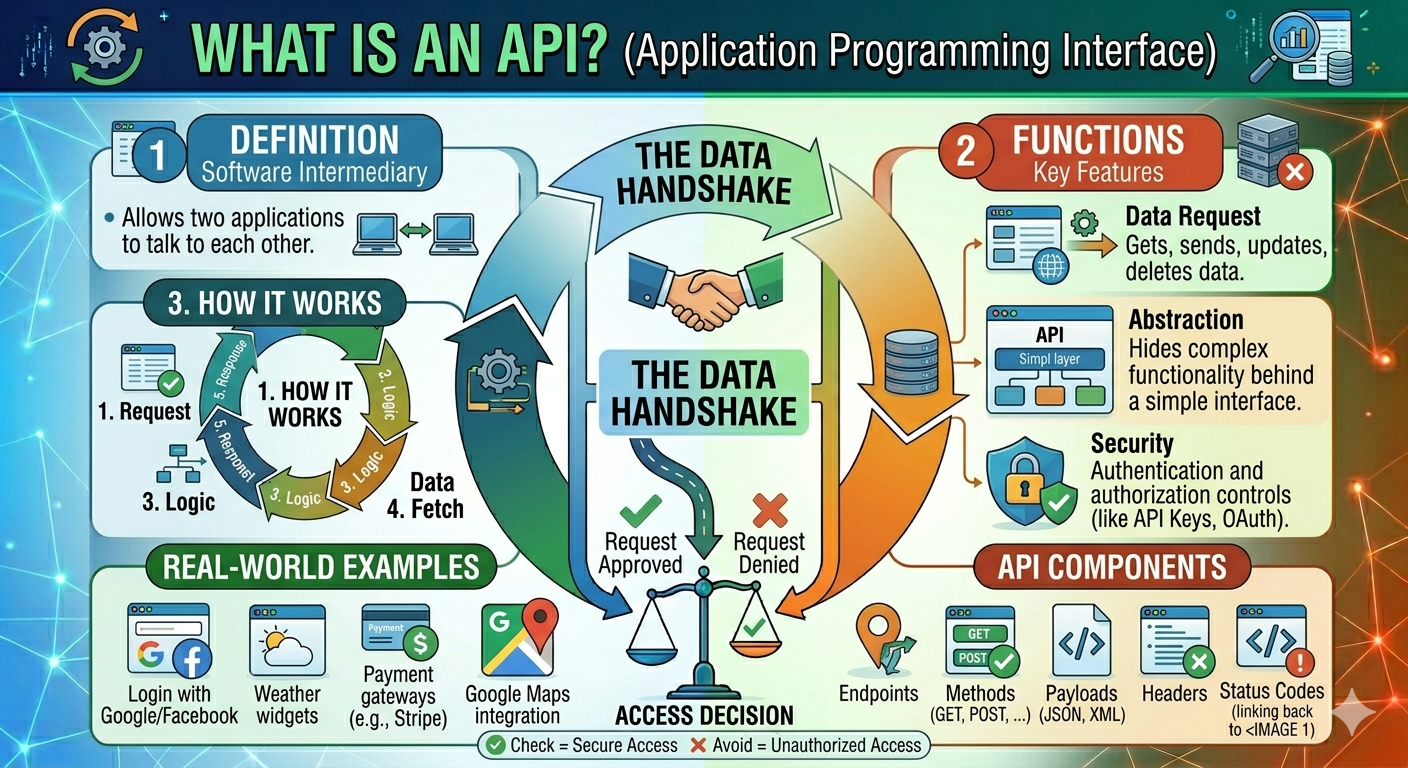
In today's digital world, applications and systems are continually communicating with each other to exchange data and services. APIs play an important role behind the scenes, whether you are using a mobile banking app, login into a website with Google, checking the weather on your phone, or making online payments.
An API serves as a bridge, allowing various software programs to communicate and exchange information in a secure and efficient manner. APIs are a key concept in modern web development, mobile app development, cloud computing, and software integration.
In this article, you'll learn about APIs, how they work, types of APIs, and why they're so important in modern technology.
What Is an API?
An API (Application Programming Interface) is a technology that enables different software applications or systems to communicate and share data with one another. APIs serve as a bridge between programs, allowing them to communicate data and execute specified operations without requiring direct access to each other's internal systems or source code.
APIs are used everywhere in today's software development world. APIs enable mobile apps, websites, payment gateways, social media platforms, and cloud services to function seamlessly together. APIs make it easier for developers to integrate external services fast and efficiently.
For example, when a weather app provides live weather updates, it often does not collect weather data. Instead, it sends a request to a weather API, which returns the necessary data like temperature, humidity, and forecasts.
How Does an API Work?
APIs work based on a simple communication process called the request-response cycle. This process allows applications, websites, or systems to exchange data and services more efficiently.
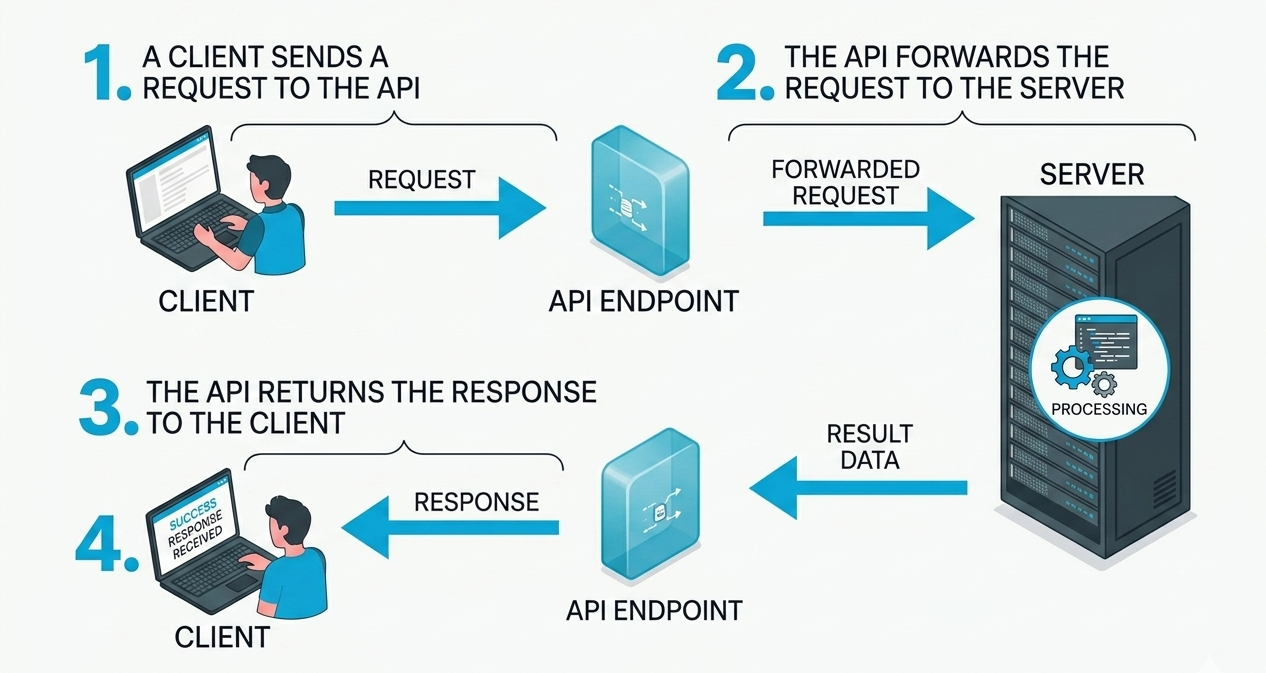
When an application requires information or wants another system to do a task, it sends a request over an API. The API then talks with the server or database, executes the request, and sends the result back to the application. This entire process usually happens within a few seconds.
The Client Sends a Request
The process begins when a client application sends a request to the API. The client can be a website, mobile application, software system, browser as well. The request usually asks for specific data or services.
The API Receives and Forwards the Request
The API acts as a middle layer between the client and the server. It receives the client’s request and forwards it to the correct server or system.
The API also validates the request, checks permissions and authentication, ensures the request format is correct. This helps maintain security and proper communication.
The Server Processes the Request
Once the server receives the request from the API, it processes the required operation.
The server may retrieve data from a database, perform calculations, verify login details, save information (create or update it). After processing, the server prepares a response.
The API Returns the Response
After the server completes processing, the API sends the response back to the client application. The response may contain data, success messages, error messages, status codes. The client application then displays the result to the user.
Imagine you visit a restaurant to order food
First you need choose the food you want from the menu.
Then give your order to the waiter.
Next, waiter takes your request to the kitchen.
The kitchen prepares the food.
The waiter brings the food back to your table.
In this process:
Customer → Represents the client or application requesting data
Waiter → Represents the API
Kitchen → Represents the server or system providing the service
The waiter acts as a mediator between the customer and the kitchen. Similarly, an API functions as a middle layer between applications and servers. The client sends a request to the API, which talks with the server before returning the response to the client.
The customer does not need to know how the kitchen prepares the food, and the kitchen does not directly interact with the customer. In the same way, applications using APIs do not need to understand the internal implementation of another system. They simply send requests and receive responses through the API.
Types of APIs
APIs are categorized into different types based on how they are accessible and who can use them. API types depending on an organization's security requirements, business needs, and system architecture.
Open APIs (Public APIs)
Open APIs, also known as Public APIs, are APIs that are available for public use. Developers, businesses, and third-party applications can access these APIs, usually by registering or obtaining an API key.
These APIs are designed to help external developers integrate services into their own applications.
Example: Google Maps API, Weather APIs, YouTube API
Private APIs
Private APIs are APIs used internally within an organization. These APIs are not available to external developers or the public. Organizations use private APIs to improve communication between internal systems and applications.
Example: An HR application sends employee attendance data to the payroll system through a private API. Here payroll system and employee management system communicating with private API.
Partner APIs
Partner APIs are shared only with authorized business partners. Access is restricted and usually requires agreements or special authentication.
These APIs help organizations securely collaborate with external companies or services.
Example: An online shopping website uses a bank’s API to process customer payments securely.
Composite APIs
Composite APIs combine multiple API requests into a single request. Instead of sending separate requests for different operations, a composite API handles multiple tasks together. This improves speed and reduces server load.
Example: A mobile shopping app loads all order-related data through a single composite API call.
Importance of APIs in Modern Development
APIs are one of the most significant technologies in modern software development because they enable diverse applications, systems, and services to connect with one another effectively. Almost every modern website, mobile app, and cloud service uses APIs to exchange data and provide functionality.
Without APIs, applications would work independently, unable to share information or integrate external services easily.
Enables Communication Between Applications
APIs is that they allow different software systems to communicate with each other. Here APIs act as the communication bridge between applications and servers.
Faster Software Development
APIs help developers use existing services instead of building everything from scratch. This will save development time, cost and effort.
Supports Integration of Third-Party Services
APIs allow applications to connect with external platforms and services easily. Some of common Integrations are Google Login API, Google Maps API, Weather APIs, social media APIs.
Improves User Experience
APIs help applications provide advanced features and real-time services that improve user experience. For an instance social media login APIs allow users to sign in quickly using Google, Facebook, Apple. This makes applications easier and faster to use.
Automation and Efficiency
APIs automate communication and data transfer between systems without manual intervention. This will improve operational efficiency and reduces human errors.
Supports Mobile and Cloud Applications
Modern mobile apps and cloud-based systems depend heavily on APIs. Cloud services use APIs for Data storage, Authentication, Notifications, File sharing.
Enhances Scalability
APIs make applications more scalable because new features and services can be added easily without rebuilding the entire system.
Improves Security and Controlled Access
APIs provide secure communication between systems using Authentication, Authorization, API keys, Tokens. This ensures only authorized users or applications can access services.
APIs are one of the most significant technologies in modern software development. They allow applications to communicate, share data, and integrate services more efficiently. APIs support various digital experiences that are used on a daily basis, including mobile apps and websites, cloud services, and payment gateways.
Understanding APIs is critical for developers, businesses, and anyone interested in modern technology, as they serve as the foundation for connected systems and digital innovation.
Frequently Asked Questions
Althaf Mohamed
Technical Author
Software Engineer and technical author specializing in web architectures, databases, and secure distributed systems.
Trending Now
Recent Posts

Beginner's Guide to Software Development: Everything You Need to Know in 2026
May 30, 2026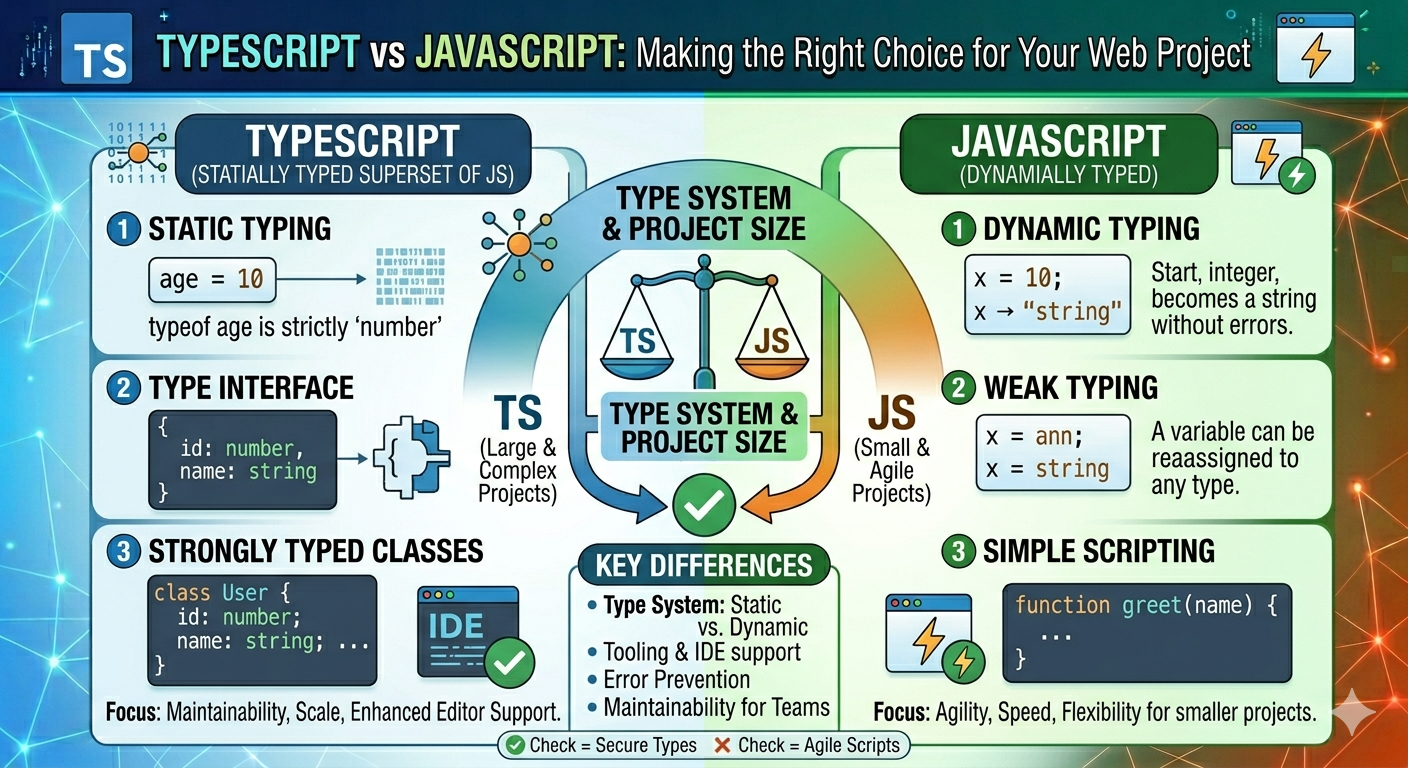
TypeScript vs JavaScript - Key Differences
May 04, 2026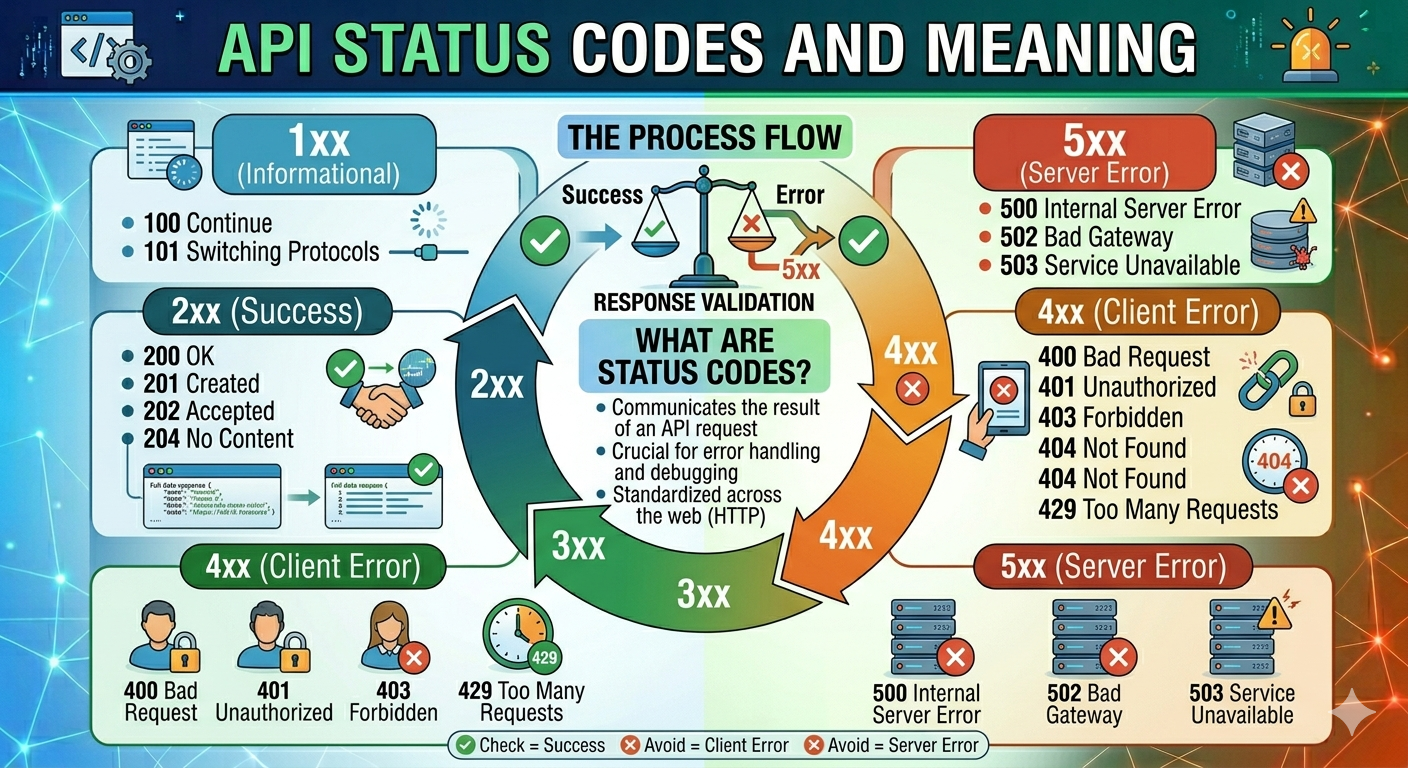
API Status Codes & Meanings
May 04, 2026What is an Application Programming Interface (API)
May 04, 2026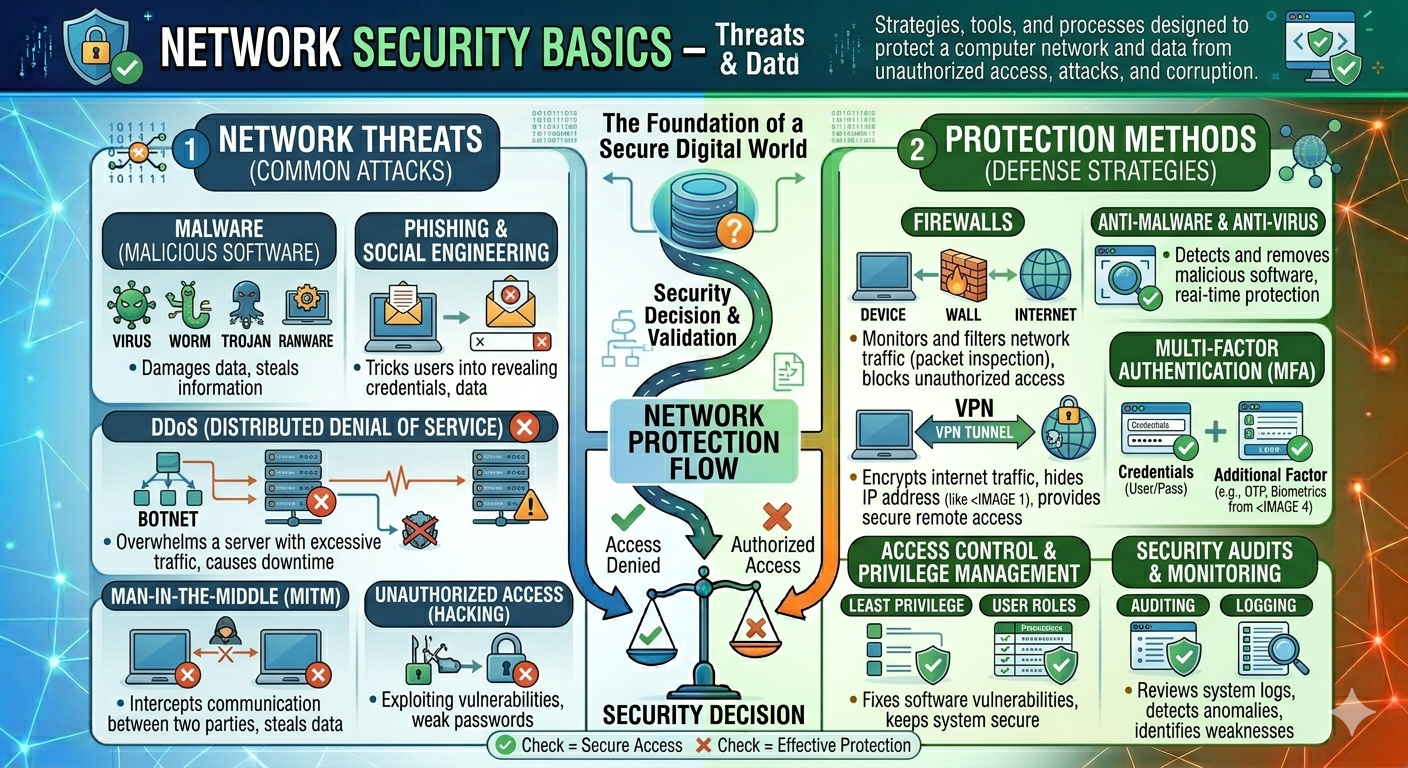
Network Security Basics – Threats & Protection Methods
May 04, 2026