Key Concepts of OSI Models
 Althaf Mohamed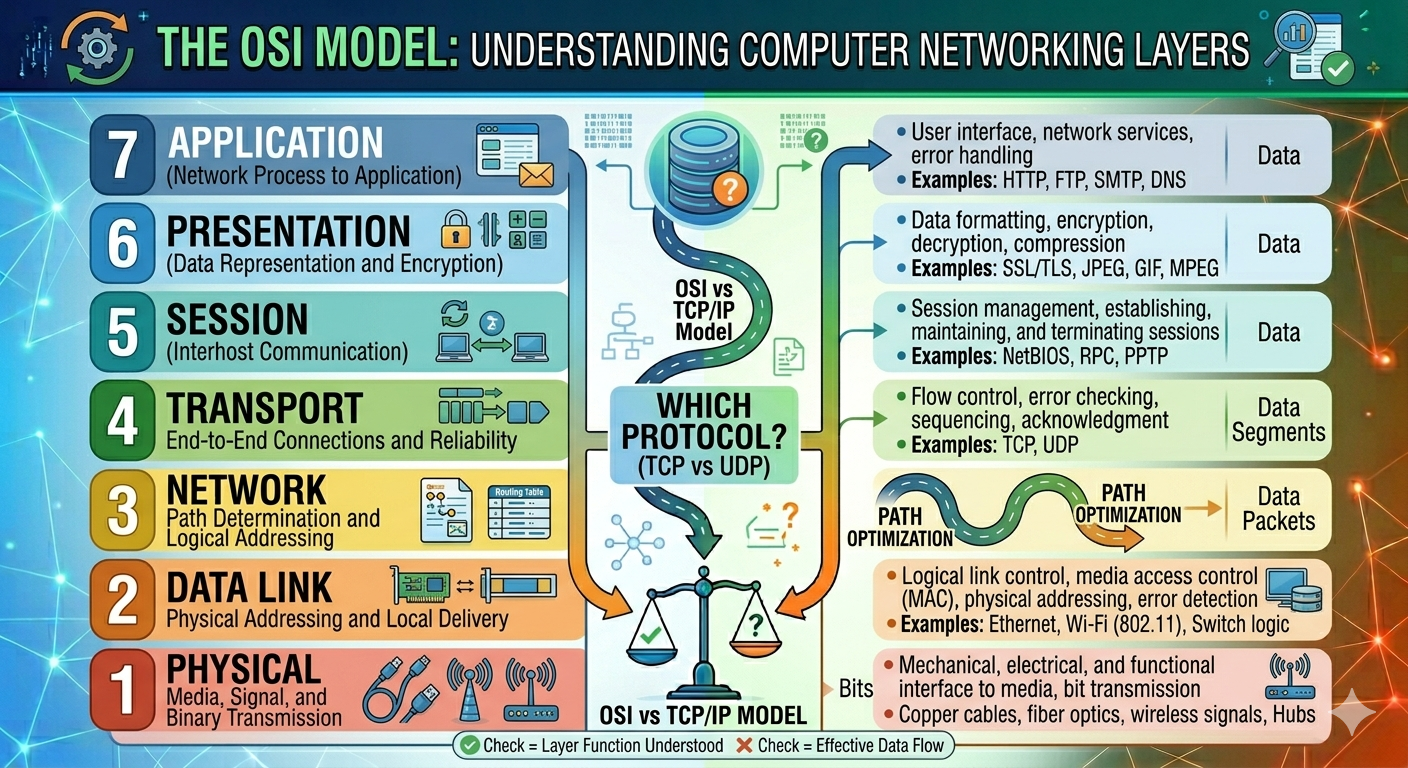
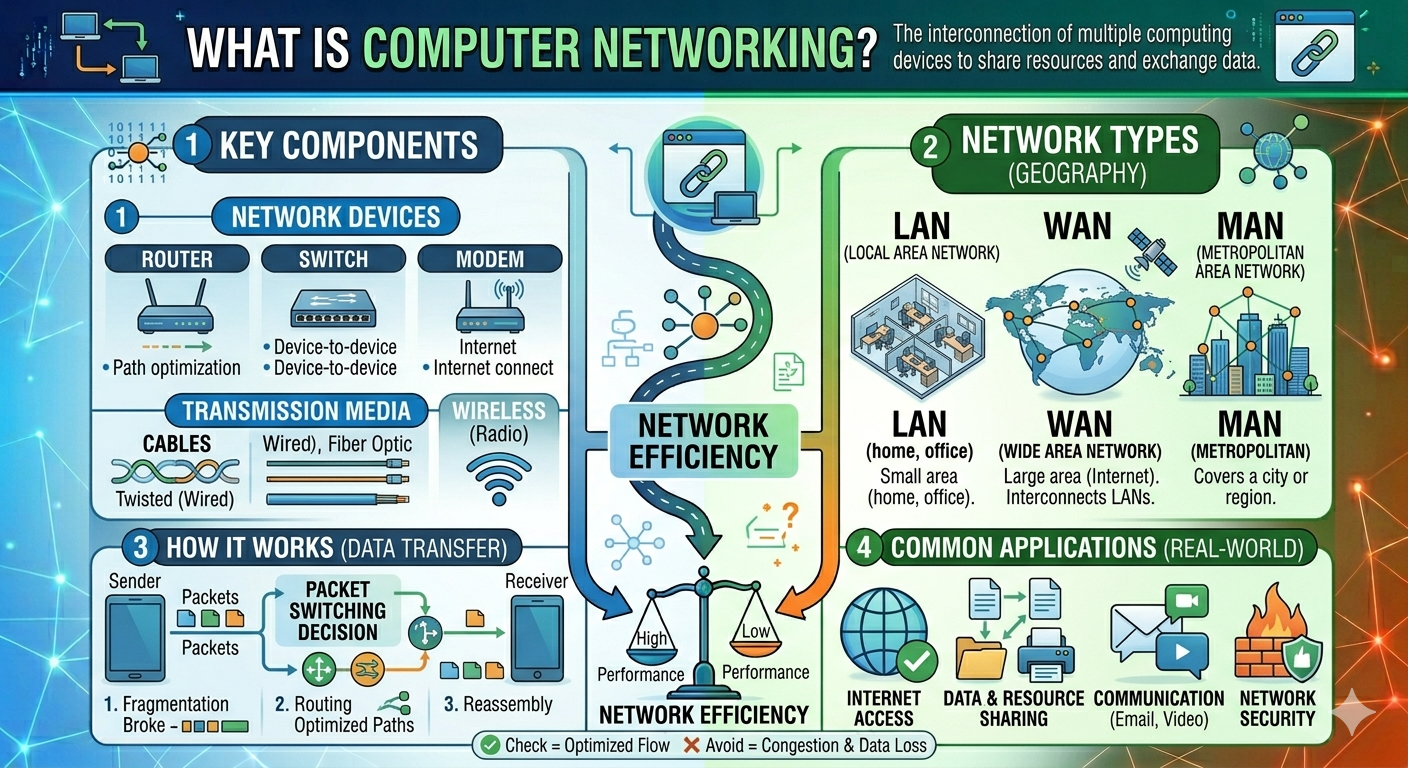
The OSI Model (Open Systems Interconnection Model) is an important concept in computer networking. It defines a standard framework for explaining how data flows between devices over a network. The OSI model explains developers, network engineers, and IT professionals how communication systems function step by step.
Whenever you browse a website, send an email, stream videos, or transfer files, data passes through multiple networking processes. The OSI model divides these communication processes into seven different layers, making networking easier to understand, troubleshoot, and manage.
What Is the OSI Model?
The OSI (Open Systems Interconnection) Model is a standard framework used in computer networking that describes how devices communicate and transfer data over a network. It helps to define the entire communication process between computers, servers, mobile devices, and other network-enabled systems.
The International Organization for Standardization (ISO) developed the OSI model to establish a worldwide standard for networking communication. Before to the OSI model, different companies employed different networking methods, making communication between systems challenging. The OSI model addressed this issue by establishing a structured approach to network communication.
The main concept behind the OSI model is to divide the networking process into seven separate layers. Each layer serves a specific function and collaborates with the layers above and below it to ensure proper data transmission.
Why the OSI Model Is Important
The OSI Model is important because it provides a standardized framework for understanding and managing network communication. It enables disparate computer systems, devices, and software to communicate with one another efficiently, even if they were built by different manufacturers or employ different technologies.
The OSI model standardizes network communication by dividing networking functions into defined layers, allowing developers and networking companies to create compatible hardware and software. This enhances compatibility among devices like computers, routers, switches, servers, and mobile devices.
The OSI model facilitates communication between different systems by establishing common networking rules and protocols, ensuring that devices from different vendors can exchange data correctly and allowing for smooth communication across networks and the internet.
Another important benefit of a layered network architecture is simplified troubleshooting. Network engineers can more easily identify problems by checking specific layers, such as physical cable issues at the Physical Layer, IP address concerns at the Network Layer, and application-related problems at the Application Layer. This structured approach facilitates quicker and more organized diagnosis and resolution of network issues.
The OSI model simplifies networking for students and beginners by dividing communication into manageable layers with specific responsibilities, providing a structured learning approach.
The OSI model helps developers and network engineers develop networking systems and protocols by allowing them to focus on improving specific layers separately. This modular approach improves flexibility, scalability, and maintenance in networking solutions.
The 7 Layers of the OSI Model
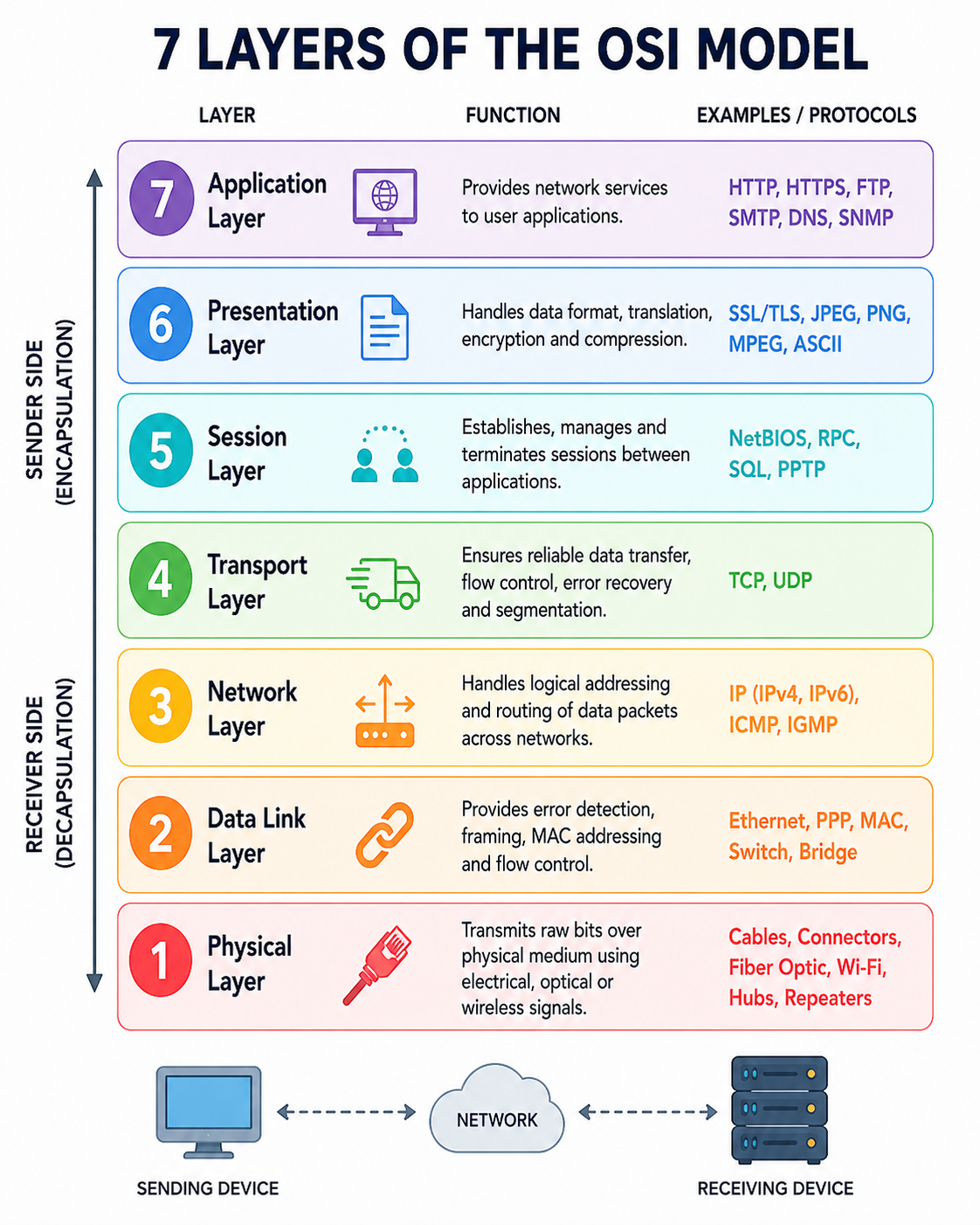
The OSI Model (Open Systems Interconnection Model) divides network communication into seven different layers. Each layer performs a specific function and works together to allow devices to communicate over a network or the internet.
The layers are arranged from bottom to top:
Physical Layer
The Physical Layer is the first and lowest layer of the OSI model. It is responsible for transmitting raw bits of data through physical devices and communication media. It involves components such as cables, electrical and wireless signals, connectors, and hardware devices. Its main functions include data transmission, signal conversion, and physical connectivity, with examples like Ethernet cables, fiber optic cables, Wi-Fi, and hubs. This layer emphasizes the physical journey of data between devices.
Data Link Layer
The Data Link Layer is responsible for reliable communication between devices on the same network by organizes data into frames and checks for transmission errors. Its main functions include error detection, data framing, MAC addressing, flow control. Key examples of this layer are switches, MAC addresses, and Ethernet, ensuring correct data transfer within a local network.
Network Layer
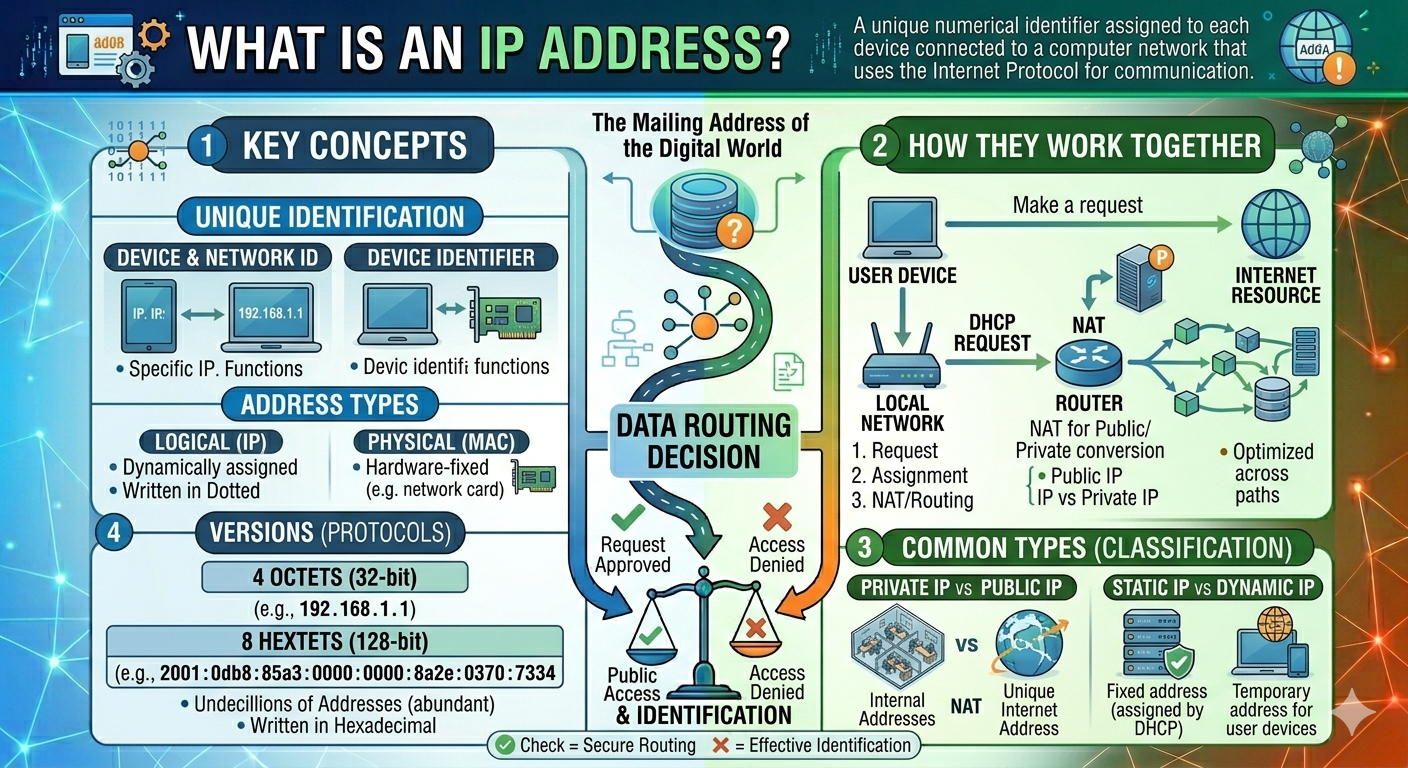
The Network Layer handles routing and logical addressing. It determines the best path for data to travel between different networks. Its main functions include IP addressing, routing, and packet forwarding, utilizing devices like routers and protocols such as IPv4 and IPv6. This layer facilitates data transfer across multiple networks and the internet.
Transport Layer
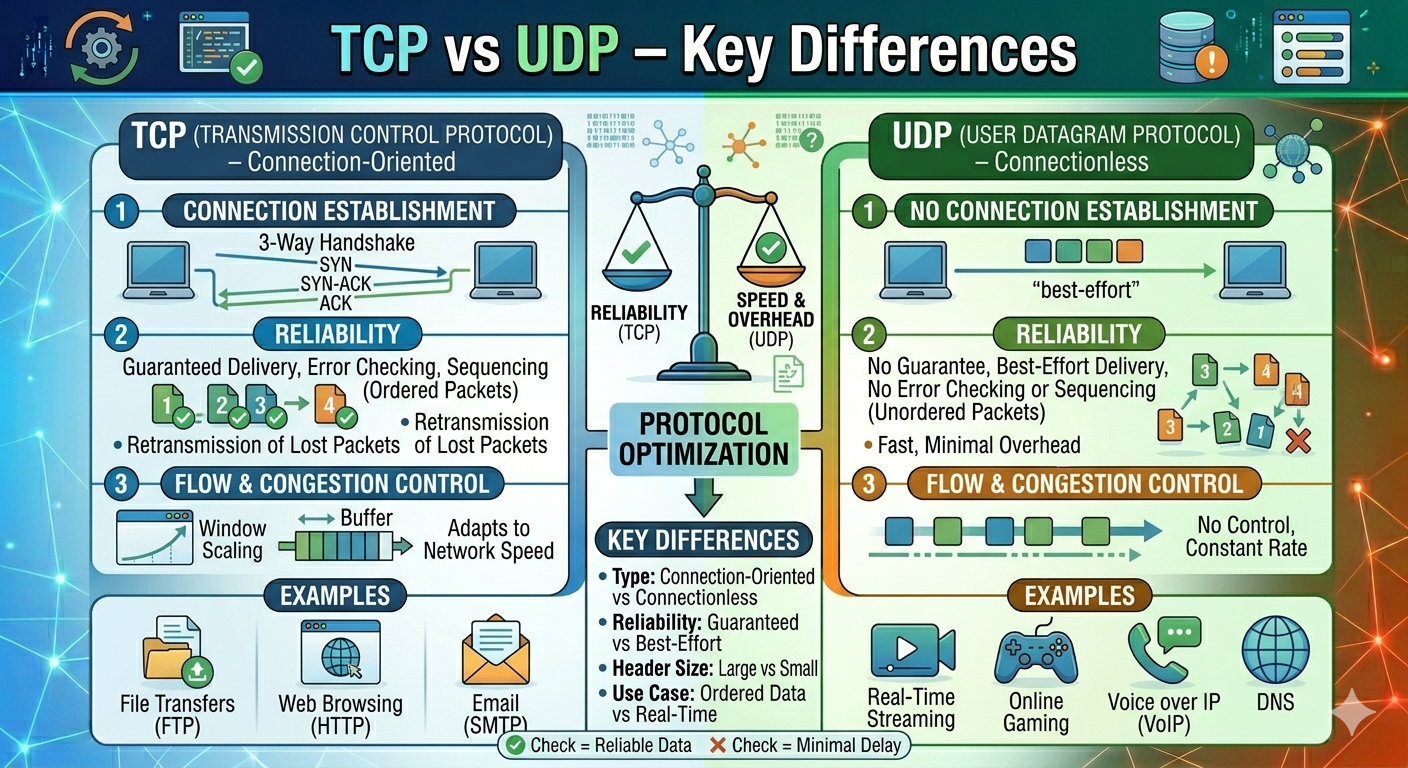
The Transport Layer ensures reliable and accurate data delivery between devices, breaks data into smaller segments and ensures all segments arrive correctly. Its main functions include error recovery, data segmentation, flow control, and reliable communication. The primary protocols it utilizes are TCP (Transmission Control Protocol), which ensures reliable communication, and UDP (User Datagram Protocol), which is faster but less reliable.
Session Layer
The Session Layer oversees communication sessions between applications, handling their creation, management, and termination. It ensures that applications remain connected during interactions, such as video calls or online meetings.
Presentation Layer
The Presentation Layer is crucial for formatting, encrypting, and compressing data, ensuring compatibility between different systems. Its main functions include data translation, encryption and decryption, and data compression. Examples include SSL/TLS encryption, JPEG, PNG, and ASCII. This layer prepares data for the Application Layer.
Application Layer
The Application Layer, the top layer of the OSI model, interacts directly with users and software applications, providing network services such as file transfers, email communication, web browsing, and user interaction. Key protocols include HTTP, HTTPS, FTP, SMTP, and DNS, making this layer essential for user engagement with websites, apps, and online services.
The OSI model's seven layers work together to ensure smooth and reliable communication between devices over networks and the internet. Each layer serves a specific responsibility, making networking systems easier to design, understand, troubleshoot, and manage.
Frequently Asked Questions
Althaf Mohamed
Technical Author
Software Engineer and technical author specializing in web architectures, databases, and secure distributed systems.
Trending Now

Recent Posts

Beginner's Guide to Software Development: Everything You Need to Know in 2026
May 30, 2026
TypeScript vs JavaScript - Key Differences
May 04, 2026
API Status Codes & Meanings
May 04, 2026
What is an Application Programming Interface (API)
May 04, 2026
Network Security Basics – Threats & Protection Methods
May 04, 2026