Understanding and Preventing SQL Injection Attacks: Complete Guide
 Althaf Mohamed

What is SQL Injection?
SQL Injection (SQLi) is one of the oldest, yet persistently dangerous vulnerabilities in web application development. It arises whenever untrusted input from a user or external service is concatenated directly into a structured database query without prior sanitization or parameter binding.
When successful, an attacker can bypass authentication, read confidential records, tamper with transaction balances, delete database tables, and in severe configurations, execute arbitrary operating system commands on the database host.
The Anatomy of a Vulnerable Query
To understand how SQL injection operates, consider a vulnerable authentication query written in Node.js:
// VULNERABLE: Direct string interpolation
const query = "SELECT * FROM users WHERE email = '" + req.body.email + "' AND password = '" + req.body.password + "'";
db.query(query);
If an attacker inputs the following string into the email field:
admin@example.com' OR '1'='1The constructed query sent to the database engine becomes:
SELECT * FROM users WHERE email = 'admin@example.com' OR '1'='1' AND password = '...';Because the condition '1'='1' always evaluates to true, the query bypasses the password condition entirely, returning the administrator user record and granting unauthorized access.
Primary Types of SQL Injection
1. In-Band SQLi (Classic)
In this attack type, the attacker uses the same channel of communication to launch the attack and harvest results. Common sub-types include Error-based SQLi (inducing the database to reveal internal schema details in error messages) and UNION-based SQLi (appending malicious select statements to legitimate queries).
2. Inferential SQLi (Blind)
When an application does not display raw database errors or query output on the screen, attackers utilize inferential techniques:
- Boolean-based: Submitting statements that force the application to return distinct HTTP responses (e.g., 200 OK vs 404 Not Found) depending on whether a true/false condition holds.
- Time-based: Injecting database sleep commands (e.g.,
pg_sleep(5)orWAITFOR DELAY '0:0:5') and measuring network latency to confirm character-by-character database reconstruction.
The Proven Solution: Parameterized Queries
The most effective and robust defense against SQL injection is the strict use of Parameterized Queries (also known as Prepared Statements). When utilizing prepared statements, the database engine treats input parameters strictly as data literals, never as executable code.
Secure Node.js / PostgreSQL Example (pg library)
// SECURE: Parameterized Query
const text = "SELECT id, name, email FROM users WHERE email = $1 AND active = $2";
const values = [userEmail, true];

const res = await pool.query(text, values);
return res.rows;
Secure Python / SQLite Example
# SECURE: Using placeholders rather than f-strings
cursor.execute("SELECT * FROM products WHERE category = ? AND price <= ?", (category, max_price))
results = cursor.fetchall()
Principle of Least Privilege
In addition to code-level parameterization, configure your database accounts according to the principle of least privilege. The web application service account should only have SELECT, INSERT, UPDATE, and DELETE permissions on required application tables. Administrative operations like DROP TABLE, ALTER, or access to system functions must be disabled on production connection pools.
Summary
SQL injection remains devastating when present, but it is 100% preventable. Never concatenate user input into SQL strings, utilize prepared statements in all database drivers, leverage modern ORMs securely, and isolate database credentials using restricted permissions.
Frequently Asked Questions
Althaf Mohamed
Technical Author
Software Engineer and technical author specializing in web architectures, databases, and secure distributed systems.
Trending Now
Recent Posts

Beginner's Guide to Software Development: Everything You Need to Know in 2026
May 30, 2026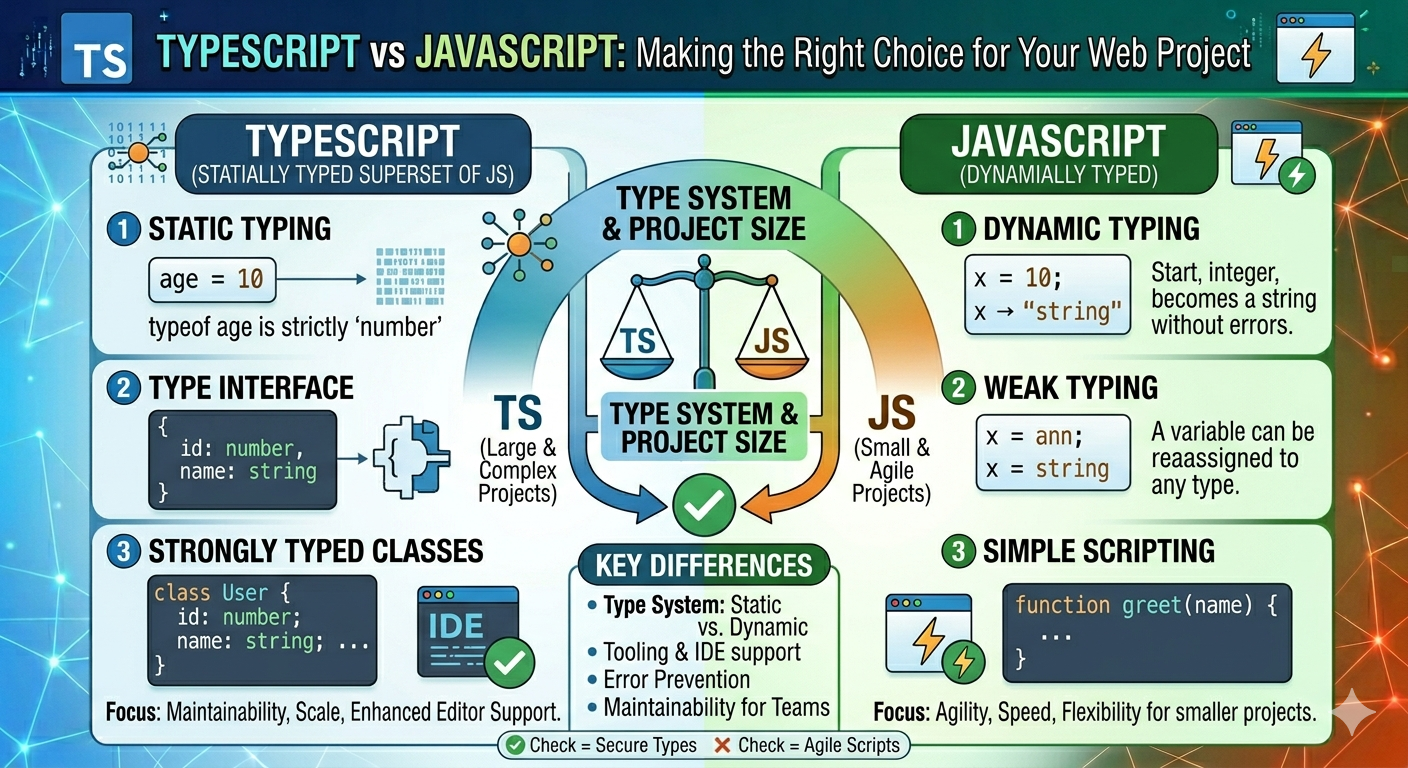
TypeScript vs JavaScript - Key Differences
May 04, 2026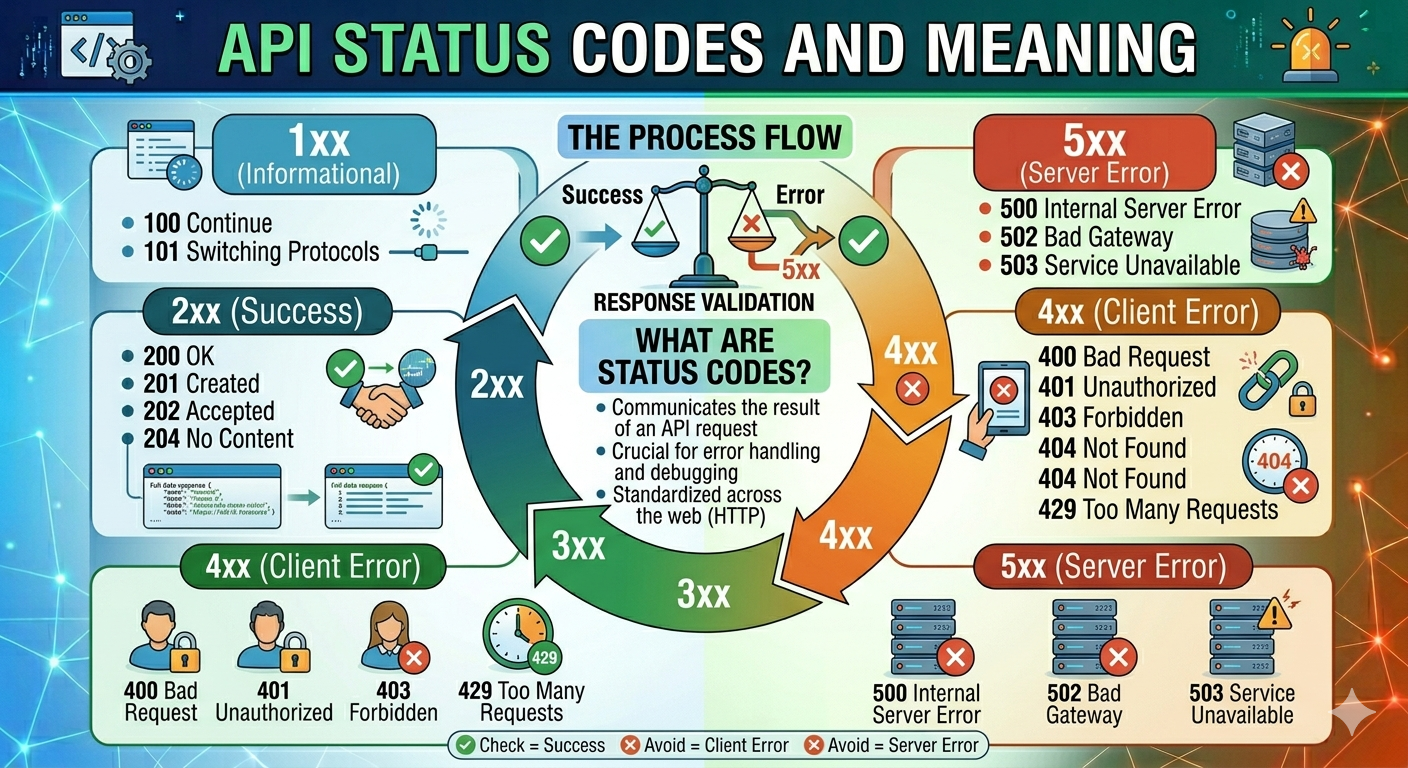
API Status Codes & Meanings
May 04, 2026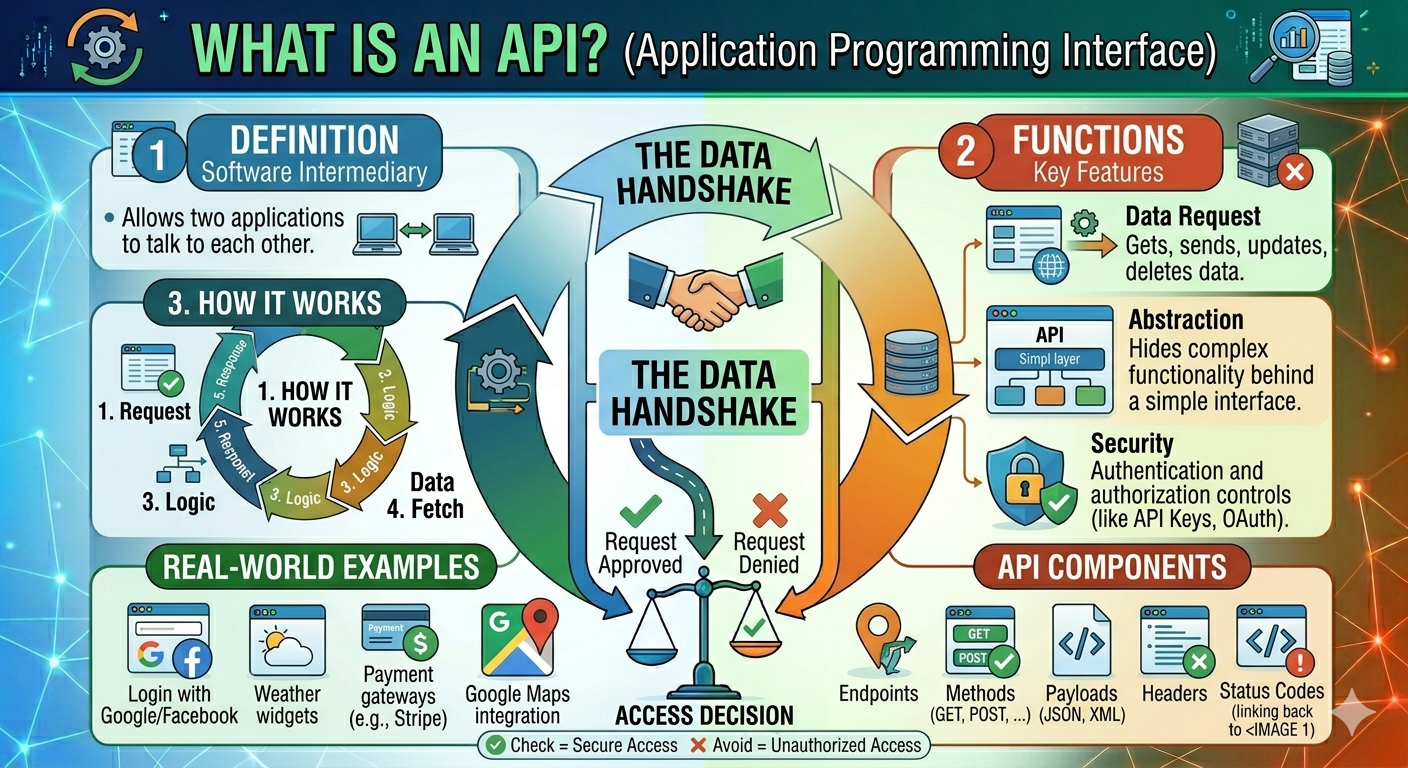
What is an Application Programming Interface (API)
May 04, 2026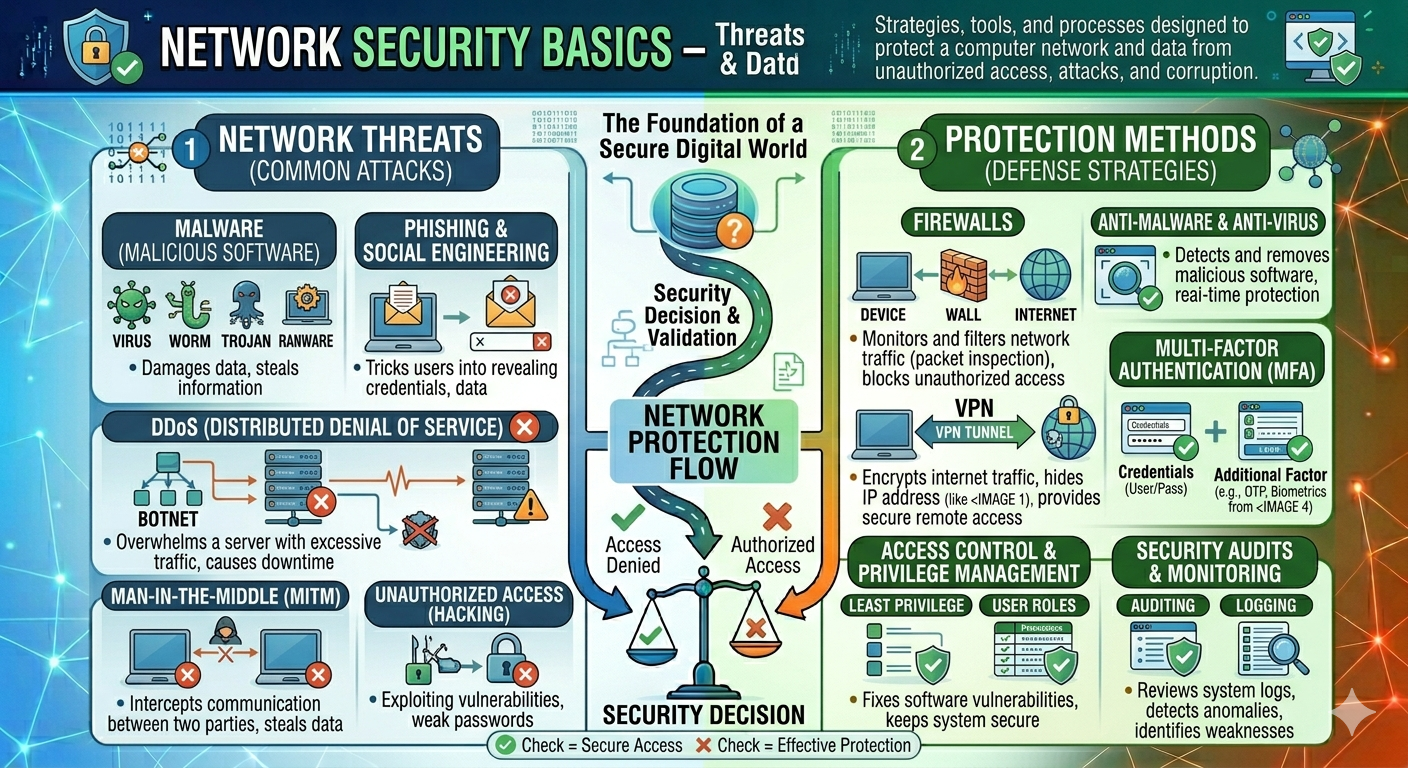
Network Security Basics – Threats & Protection Methods
May 04, 2026