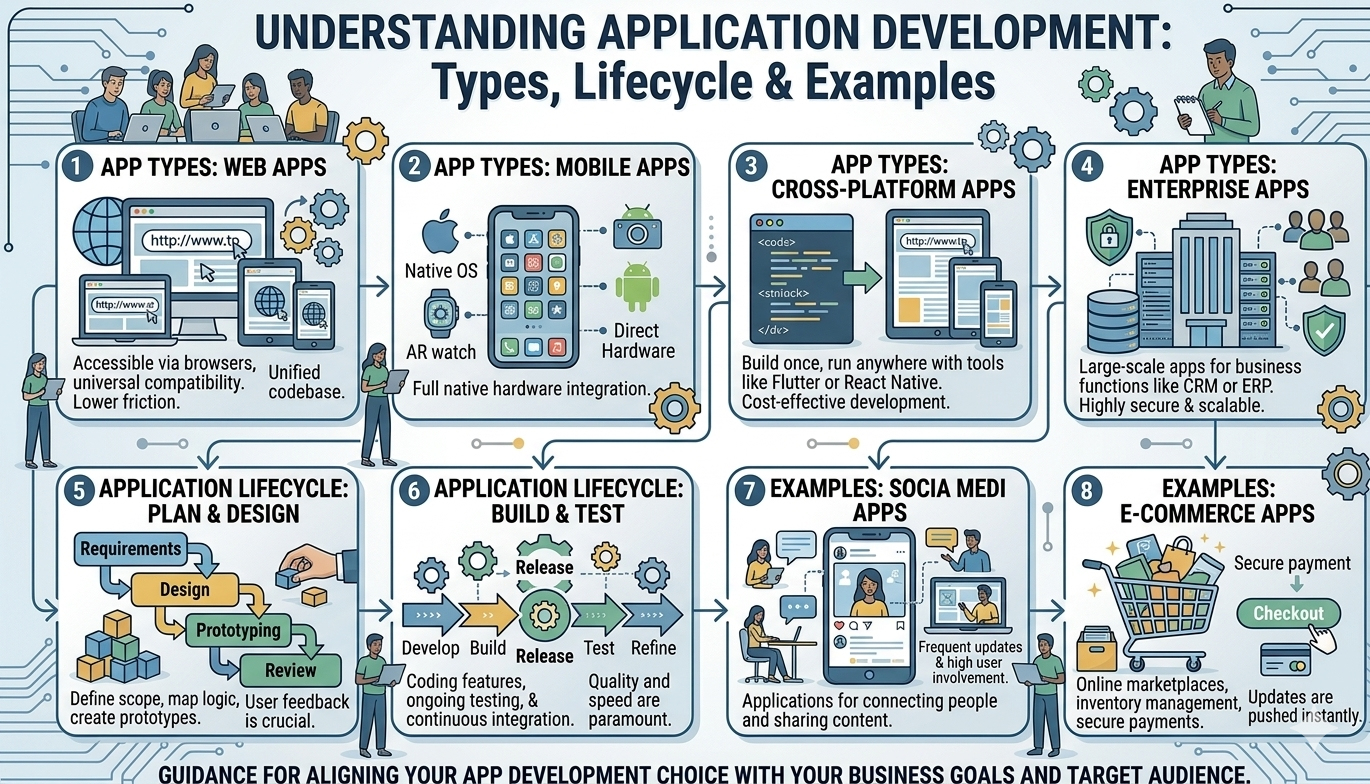
Beginner's Guide to Software Development: Everything You Need to Know in 2026
 Althaf Mohamed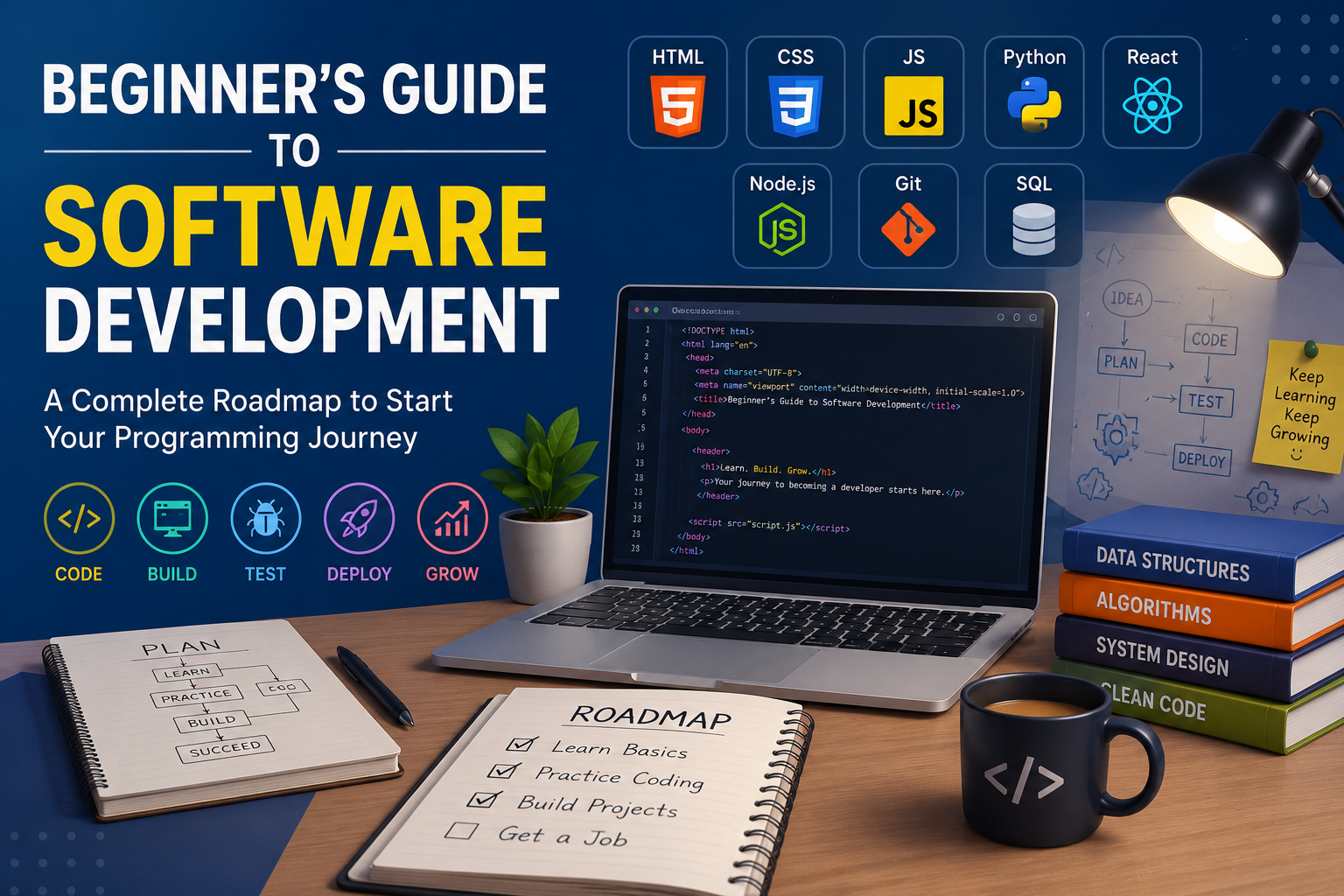
Software development is one of the most demanded skills in today's digital world. Software underpins practically every element of modern life, from mobile applications and websites to banking systems and cloud infrastructure. As businesses continue to invest in technology, the demand for talented software developers increases.
Software development can be overwhelming for beginners due to the numerous programming languages, frameworks, tools, and career options accessible. However, each professional developer began as a beginner. Anyone can master the principles of software development by following a systematic learning route.
What Is Software Development?
Software development is the process of creating software applications that assist users in performing specified activities or solving problems. It entails a variety of tasks such as planning, designing, coding, testing, deploying, and maintaining software to ensure that it functions properly and fulfills user expectations.
Software is a broad phrase that includes to a variety of apps and systems that we use on our daily lives. Websites, mobile applications, desktop programs, business management systems, video games, cloud-based platforms, and operating systems are all sorts of software. Whether you're visiting a website, using a banking app, playing a game, or saving files in the cloud, software development is plays a key role behind the scenes.
The main objective of software development is to provide solutions that make simplify tasks, increase productivity, automate repetitive processes, and deliver meaningful services to users. Businesses use software to run operations, engage with customers, analyze data, and boost productivity, whereas individuals use it for entertainment, learning, communication, and everyday activities.
Many people think that software development is only about writing code, but it is much more than that. Before development begins, developers and stakeholders must plan the project and collect requirements. Designers then build user interfaces and system structures to assure the application's usability and efficiency.
Once the design is complete, developers write the code that will bring the program to life. After coding, the software is tested to find and resolve errors, ensuring that it functions properly. When the application is complete, it is deployed for users to access. Even after deployment, developers continue to improve the product by addressing bugs, increasing performance, updating security measures, and introducing new features.
In simple terms, software development is a comprehensive process that converts ideas into working digital products. It combines technical skills, problem-solving, creativity, and continual improvement to deliver software that meets user needs and helps businesses achieve their objectives.
Why Learn Software Development?
Software development is one of the most valuable skills in today's technologically advanced world. It provides excellent career opportunities, financial growth, and the ability to develop innovative solutions that address real-world issues. Whether you want to work for a firm, start your own business, or freelance, software development offers several benefits.
High demand
Software developers are needed in almost every industry, including healthcare, banking, education, e-commerce, entertainment, and manufacturing. As more firms use digital technology, the demand for qualified developers grows. This high demand creates a wide range of work possibilities for both beginners and experienced individuals.
Competitive salaries
Software development is recognized as one of the highest-paying careers in the world. Because qualified developers are in high demand, firms are ready to pay competitive salaries and benefits to attract and retain talented professionals. As developers gain experience and specialize in advanced technologies, their earning potential often rises significantly.
Remote Work Opportunities
One of the most significant advantages of software development is the flexibility it provides. Many developers work remotely from home or as freelancers, allowing them to collaborate with clients and enterprises from across the world. This flexibility improves work-life balance and gives employees access to worldwide career prospects.
Problem solving
Software development is basically about problem solving. Developers build applications and systems that simplify work, increase efficiency, and improve user experience and also, these solutions benefit both businesses and people's daily lives.
Career Growth and Opportunities
There are several job paths available in software development, including Frontend Developer, Backend Developer, Full-Stack Developer, Mobile App Developer, Software Engineer, Cloud Engineer, and DevOps Engineer. As technology continues advances, new career opportunities emerge on a regular basis, making software development a profession for the future.
Opportunity to Build Your Own Products
Learning software development gives you the ability to make your ideas into reality. Many successful firms began with a simple idea that evolved into a software product. Developers can earn money by creating websites, mobile apps, SaaS platforms, or digital services.
Types of Software Development
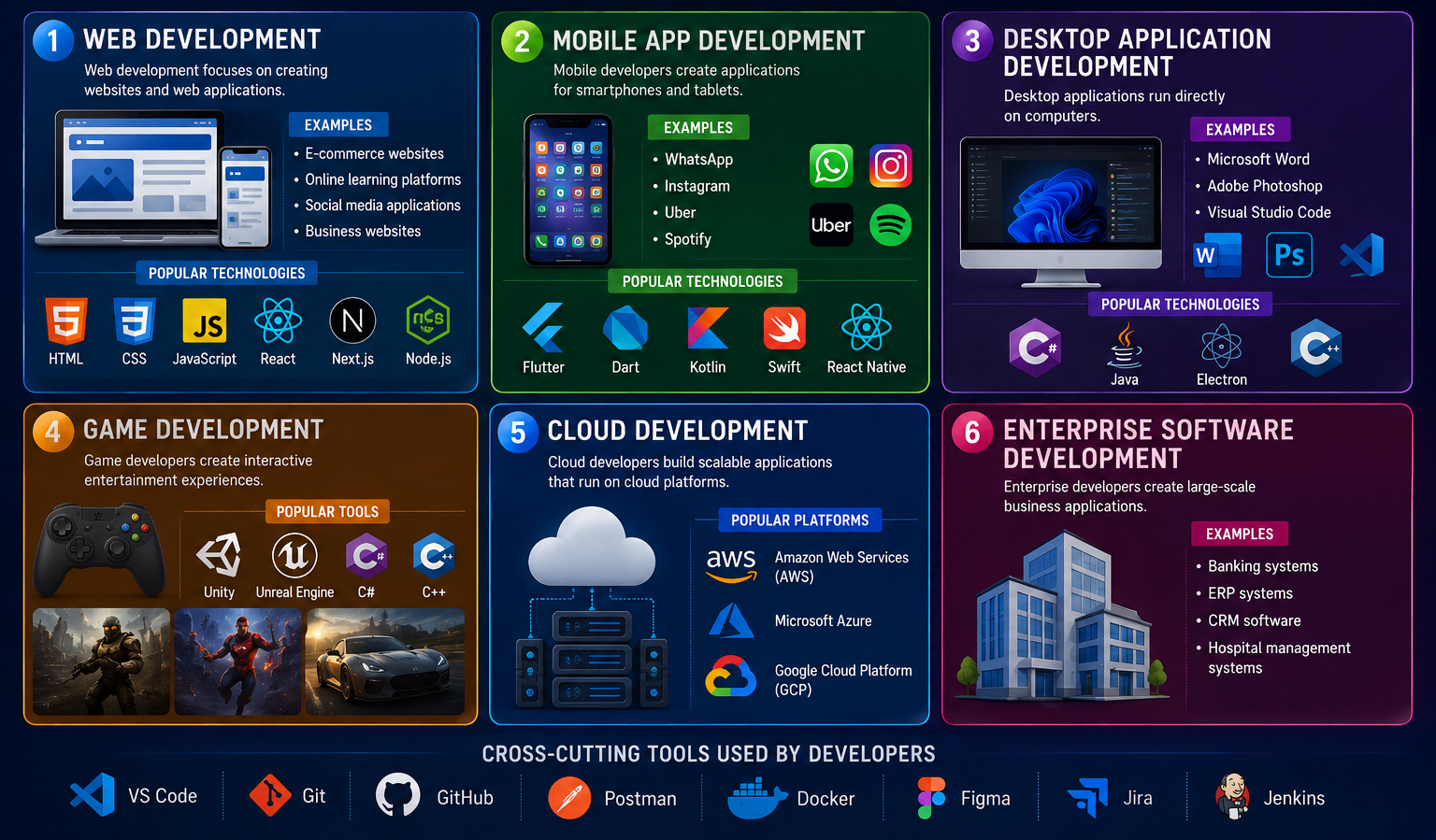
Software development is a wide field with several specialized areas. Each type focuses on developing various types of apps to fulfill certain user and business requirements.
Web Development
Web development involves building websites and web-based applications that users may access via a web browser. These applications run on the internet and may be accessed from a variety of devices, including computers, tablets, and smartphones. Web applications include e-commerce websites, online learning platforms, social media sites, business portals, and content management systems.
To build these applications, developers use technologies such as HTML for structure, CSS and Tailwind CSS for styling, JavaScript for interactivity, React and Next.js, Vue.js, Angular and etc. for modern frontend development, and Node.js, NestJS, Spring Boot, Laravel, ASP.NET Core and etc. for backend functionality.
Mobile App Development
Mobile app development is the process of developing software apps that are specifically built for use on smartphones and tablets. These apps are often downloaded and installed via app marketplaces like the Google Play Store for Android and the Apple App Store for iOS devices. Mobile apps aim to provide users a quick, responsive, and optimized experience while utilizing device features such as cameras, GPS, push notifications, microphones, and various sensors.

WhatsApp, Instagram, Uber, and Spotify are popular mobile applications used by millions of people around the world for communication, transportation, and entertainment, respectively. Flutter, Dart, Kotlin, Swift, and React Native are popular technologies used by developers to create modern mobile applications.
Desktop Application Development
Desktop application development involves developing software that runs directly on a computer rather than on a web browser. These applications are installed on operating systems such as Windows, macOS, and Linux and are intended to provide high performance and dependability. One of the key benefits of desktop apps is their ability to function even without an internet connection, making them ideal for offline use and performance-intensive tasks.
Microsoft Word, Adobe Photoshop, and Visual Studio Code are some popular examples of desktop applications. These apps are mostly used for document writing, image editing, and software development.
Desktop applications are developed utilizing a variety of popular technologies, including C#, Java, Electron, and C++. Each of these technologies offers powerful tools and frameworks for developing efficient and feature-rich desktop applications. For example, C# is commonly used in Windows program development, whereas Electron enables developers to create cross-platform desktop apps utilizing web technologies.
Game Development
Game development is the process of creating interactive video games for many platforms, including computers, consoles, mobile devices, and virtual reality systems. It is a highly creative and technical field in which developers combine programming, graphics, animation, sound design, and storytelling to create immersive and compelling user experiences for gamers.
Game developers employ advanced tools and technologies to bring their ideas to life. Unity and Unreal Engine are two of the most popular game creation technologies, used to create both 2D and 3D games. Programming languages like C# and C++ are often utilized to create game logic, mechanics, and performance-critical elements.
Well-known games such as PUBG, Fortnite, and many popular mobile games are developed using modern game engines and technologies that enable realistic graphics, multiplayer functionality, and seamless gameplay experiences. These technologies enable developers to create large game environments that include high-quality images and interactive features.
Game development is essential since it is one of the most rapidly growing industries in the technology sector. It opens up a wide range of professional prospects for developers, designers, animators, sound engineers, and storytellers.
Cloud Development
Cloud development is the process of creating apps and services that use cloud infrastructure rather than traditional on-premises servers. These cloud-based applications are more scalable, reliable, and accessible, allowing users to access them from anywhere in the world via an internet connection.
Amazon Web Services (AWS), Microsoft Azure, and Google Cloud Platform (GCP) are popular cloud platforms among developers, which offer powerful tools and services for hosting, storage, computing, and deployment.

The key benefits of cloud development include easy scalability to meet increasing user demand, high availability to ensure systems remain accessible, lower infrastructure costs by eliminating the need for physical servers, and improved disaster recovery options to protect data and maintain business continuity.
Enterprise Software Development
Enterprise software development focuses on creating large-scale applications that organizations and enterprises can use to manage operations more efficiently, increase productivity, and streamline complicated business processes. These systems are often highly complicated and built to serve thousands of users from multiple departments within an organization.
Enterprise software examples include banking systems, enterprise resource planning (ERP) systems, customer relationship management (CRM) software, and hospital management systems.
Enterprise software is crucial in modern enterprises because it automates business processes, improves operational efficiency, and allows for better decision-making through good data management and system integration.
Understanding The Software Development Life Cycle (SDLC)
The Software Development Life Cycle (SDLC) is a step-by-step procedure used by developers to plan, build, test, and maintain software systems in a structured way. It helps ensure to the final product's excellent quality, meets user requirements, and timely delivery.
Requirements Gathering
This is the first and most important stage of the SDLC. During this stage, developers and project teams consult with stakeholders (clients or users) to determine what the software should perform.
They try to address key questions such as:
What problem should the software solve?
Who will use the system?
Which features and functions are required?
This phase ensures that everyone understands the project's goals before development begins.
Planning
Once the requirements are understood, the team develops a detailed project plan.
This includes:
Defining project deadlines
Estimating costs and budget
Assigning team roles and responsibilities.
Identifying risks and problems.
Planning allows the team to stay organized and complete the project smoothly.
Design
In the design phase, the system structure is created before any coding starts. Designers and system architects work on:
User interface (UI) design
Database structure design
System architecture (how components interact)
Technical specifications
This phase serves as blueprint for developers.
Development
This phase of the Software Development Life Cycle (SDLC) represents the beginning of actual coding, in which developers build the software based on the design documentation. It includes:
Frontend development (what users see)
Backend development (server-side logic)
Database implementation
This coding step is usually the most time-consuming part of the SDLC, requiring careful attention to detail and adherence to the initial design specifications.
Testing
Following development phase, the software is tested to identify and resolve bugs. Testers check that the system functions properly by performing:
Unit testing (testing individual components).
Integration testing (testing the merged modules)
System testing (testing the entire system).
User Acceptance Testing (UAT) (testing by actual users).
Testing ensures that the software is stable and free of major problems.
Deployment
Once testing is complete, the software is released to users. Deployment can happen through:
Web servers
Cloud platforms
Mobile app stores
At this stage, the product becomes available for real-world use.
Maintenance
After deployment, the software is continuously improved and updated. This ongoing maintenance includes several key activities:
Fixing bugs found by users
Improving performance
Adding new features
Updating security patches
Maintenance ensures the software remains useful and up to date over time.
What are the essential skills needed for Beginners?
Learning programming alone is not enough to make you a successful software developer. To build applications efficiently, collaborate with teams, and address real-world challenges, developers must possess both technical and soft abilities. The following abilities are required for beginners beginning their software development journey.
Programming
Programming is the foundation for software development. It entails creating instructions that teach a computer how to complete specific tasks. Learning a programming language enables developers to build websites, mobile applications, desktop software, and a variety of other systems.
Beginners should focus on mastering one programming language before progressing to others. Understanding essential concepts like variables, functions, loops, and object-oriented programming in one language makes learning other languages much easier later on.
Problem solving
The fundamental goal of software development is to use technology to solve problems. Every application is intended to meet a certain requirement, such as managing business data, improving communication, or automating tasks.
Developers regularly encounter challenges such as fixing bugs, improving performance, and implementing new features. Strong problem-solving skills allow them to analyze challenges, discover solutions, and create efficient apps that meet user needs.
Logical Thinking
Logical thinking is a critical ability in programming. Developers must think step by step and break complex problems into smaller, more manageable tasks. Developing logical thinking skills allows programmers to develop clearer, more efficient, and error-free code.
Time Management
Software projects often have deadlines, milestones, and various tasks that must be performed within a set timeframe. Effective time management enables developers to prioritize tasks, stay organized, and fulfill project deadlines. Strong time management abilities can help to minimize stress and improve project outcomes.
Communication
Software developers rarely work independently. Most initiatives include collaboration with a variety of stakeholders, including clients, designers, project managers, business analysts, and other developers.
Good communication ensures that requirements are fully understood, project goals are aligned, and difficulties are managed quickly. Developers who can convey complex concepts in simple terms are more likely to contribute to team success.
Core Technologies and Tools Every Beginner Developer Should Know
As you begin your software development career, it is critical to understand the fundamental programming languages, development roles, databases, and tools utilized in modern application development. These technologies are the foundation for web, mobile, and enterprise software development.
JavaScript
JavaScript is one of the most widely used programming languages in the world. It powers interactive websites and can be used for both frontend and backend development. Its primary benefits are relative ease of learning, a large and supportive developer community, and the ability to run smoothly on both client-side and server-side applications.
JavaScript is commonly used in a range of digital environments, including websites, web apps, and application programming interfaces (APIs), emphasizing its importance in providing interactive and dynamic user experiences across the internet.
Python
Python is a beginner-friendly programming language known for its simple and readable syntax. Its advantages include being easy to understand, promoting clean and readable code, and demonstrating high versatility. Python is commonly used in various domains such as web development, data science, automation, and artificial intelligence (AI).
C#
C# is an object-oriented programming language created by Microsoft and widely used in the.NET framework. Its various applications include the creation of desktop applications, enterprise software systems, and games, making it an important language for developers looking to create a variety of software solutions. The language is well-known for its simplicity and efficiency, which make it easier to develop strong applications across multiple platforms.
Java
Java is a powerful programming language widely used in enterprise-level applications and large-scale systems. Its common uses include banking systems, Android applications, and enterprise software, highlighting its versatility and reliability in various domains.
Dart
Dart is a programming language created by Google that is mainly used with Flutter to create cross-platform applications. It is commonly used for the development of mobile applications and cross-platform software solutions.
Frontend Development
Frontend development focuses on the building of visual components for apps that users interact with directly. HTML, CSS, JavaScript, React, and Next.js are some of most popular technologies in this industry. Frontend developers' main responsibilities involve building user interfaces, providing responsive layouts, and improving the overall user experience.
Backend Development
Backend development focuses on server-side logic and data processing, utilizing technologies such as Node.js, Java (Spring Boot), Python (Flask, Django), PHP, and ASP.NET Core. Key responsibilities include creating APIs, managing databases, handling authentication, and implementing business logic.
Full-Stack Development
Full-stack developers are responsible for working on both frontend and backend components of applications, which includes building user interfaces, developing APIs, managing databases, and deploying applications.
SQL Databases
SQL databases are designed to store data in structured ways, with tables made up of rows and columns. SQL databases include MySQL, PostgreSQL, and SQL Server. These databases are especially well-suited for managing structured data, and they are widely used in banking systems and other business applications.
NoSQL Databases
NoSQL databases are high-performance data storage solutions with flexible data structures designed for scalability. MongoDB, Firebase, and Cassandra are three prominent examples. These databases are ideal for scenarios requiring flexible data models, real-time applications, and large-scale systems.
Visual Studio Code (VS Code)
Visual Studio Code (VS Code) is a widely used code editor known for its powerful features that enhance the coding experience. It provides a variety of powerful tools, including extensive extensions and debugging capabilities, making it an essential resource for developers.
Git & GitHub
Git is a version control system for tracking code changes and collaborating with other developers. Its main advantages are collaboration, version history tracking, and code backup and recovery.
GitHub is a platform for hosting Git repositories that facilitates collaborative software development. Its benefits include team collaboration, open-source contributions, and project management.
Postman
Postman is a valuable tool for testing, debugging, and documenting Application Programming Interfaces (APIs) during the development process. Its features help developers ensure that APIs function as intended and facilitate clearer communication between various software components.
Figma
Figma is a cloud-based design and prototype tool that helps designers and developers construct user interfaces. It makes design collaboration easier, making it an essential resource in the design process.
Docker
Docker simplifies application deployment by enabling developers to package applications with their dependencies into containers, ensuring consistency.
Some Beginner Friendly Project Ideas
Building projects is one of the most effective ways to learn software development. While tutorials help you understand concepts, projects help you to apply what you've learned in real-world scenarios. Each project teaches a different different skills & ability and helps you create a portfolio that will impress employers and clients.
Calculator Application
A calculator project helps beginners understand programming logic and user interactions. It's also teaching fundamental concepts such as functions (addition, subtraction, multiplication, and division) and event handling (responding to user actions like clicking buttons, typing values, and clearing the screen). Here for this project mainly technologies are HTML, CSS, JavaScript can be you used to build the calculator application.

Overall, this project enriches understanding of programming fundamentals through practical application.
To-Do List Application
A To-Do List application is one of the most common beginner projects because it teaches the fundamentals of application development. Here you will from these projects are CRUD operations like create new tasks, read and display tasks, update existing tasks, delete completed tasks as well. Here for this project mainly technologies are HTML, CSS, JavaScript and optionally, React can be you used.
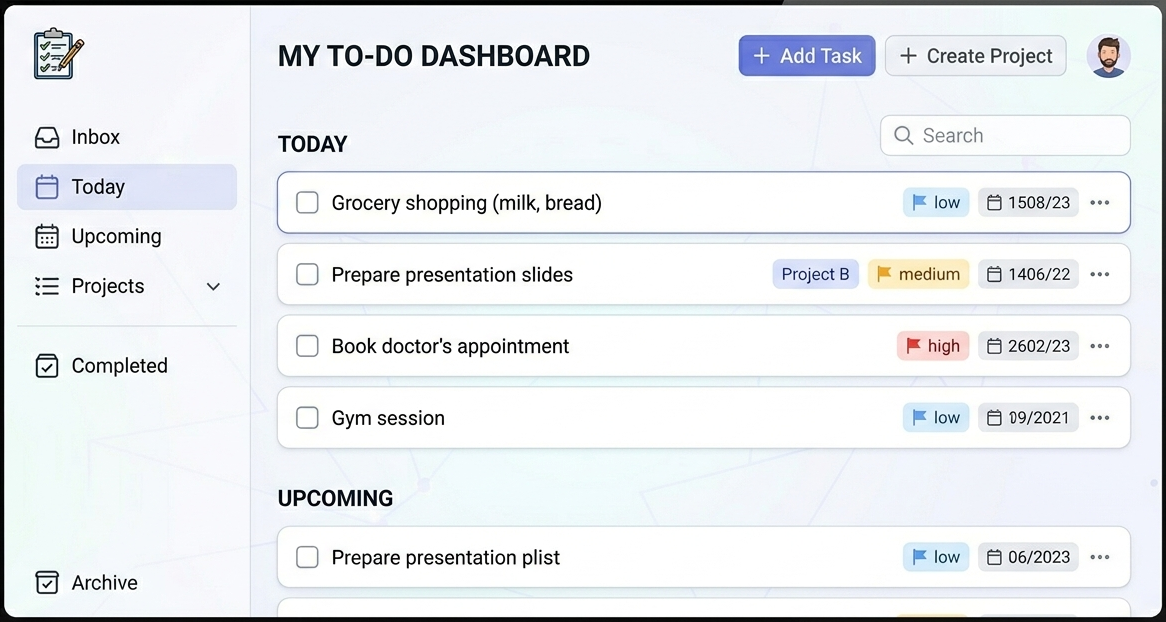
Overall, developing a To-Do List application not only teaches the fundamentals of CRUD operations and user interface design, but it also provides a practical understanding of how these technologies may be combined to improve user functionality and experience.
Weather Application
The weather application project aims to provide developers with knowledge and practical experience using external services and APIs. Understanding APIs, which allow communication between multiple services, as well as how a weather app may obtain and show weather data from a provider, are key learning objectives. This project's using key technologies are HTML, CSS, JavaScript, and the Open Weather API.
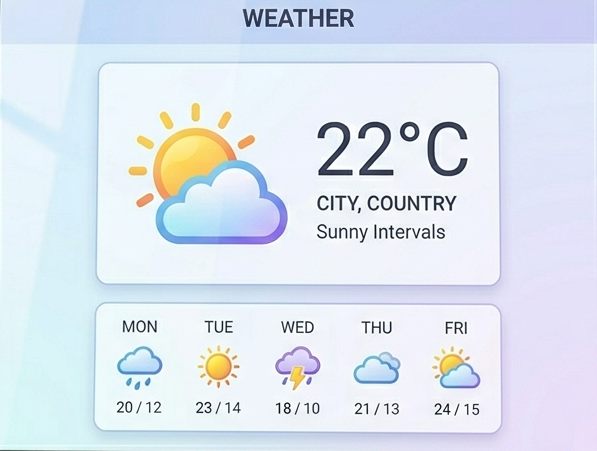
Here, you will learn fundamental JavaScript skills such as retrieving data from APIs, managing asynchronous processes, processing JSON data, and dynamically changing the user interface.
Overall, these applications provide them with practical skills for developing dynamic and interactive web apps that rely on external data sources.
Frequently Asked Questions
Althaf Mohamed
Technical Author
Software Engineer and technical author specializing in web architectures, databases, and secure distributed systems.
Trending Now
Recent Posts
Beginner's Guide to Software Development: Everything You Need to Know in 2026
May 30, 2026
TypeScript vs JavaScript - Key Differences
May 04, 2026
API Status Codes & Meanings
May 04, 2026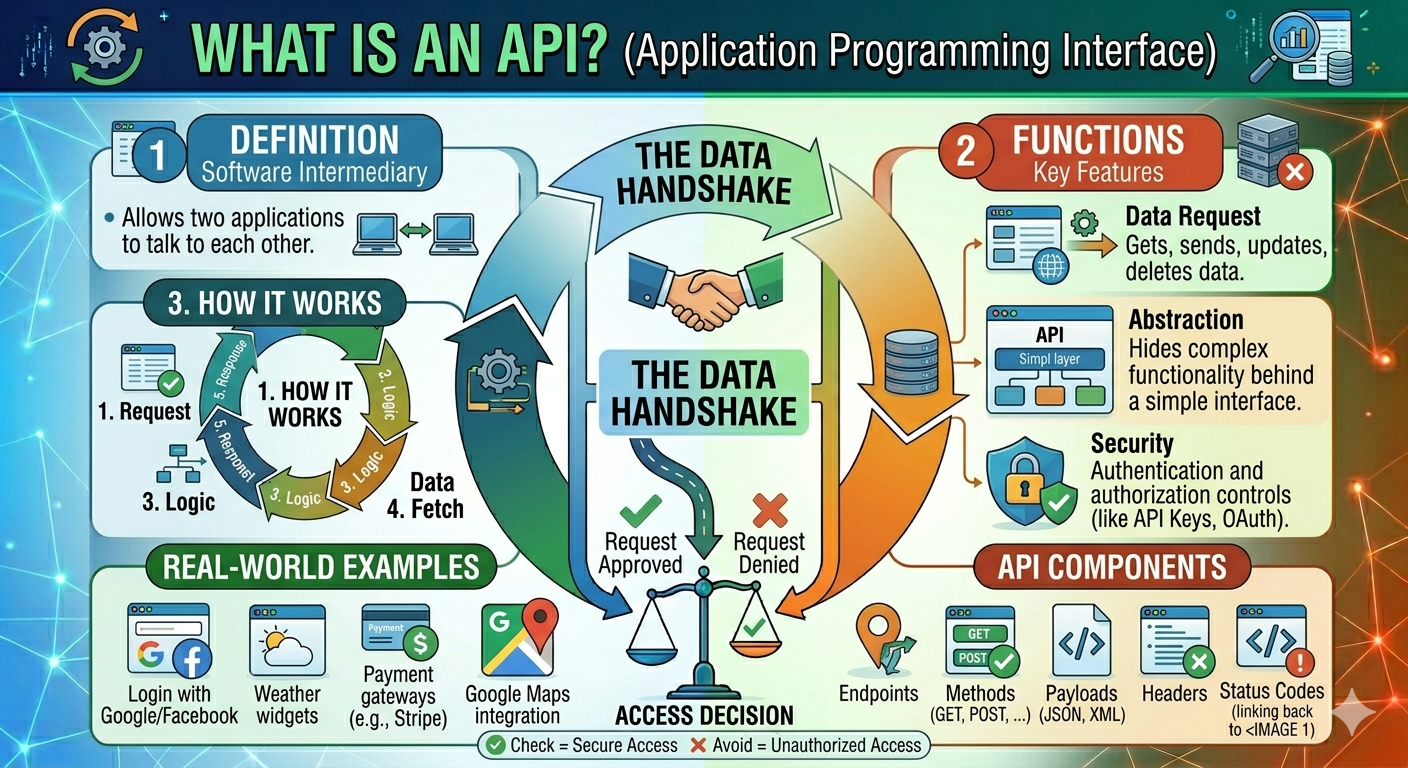
What is an Application Programming Interface (API)
May 04, 2026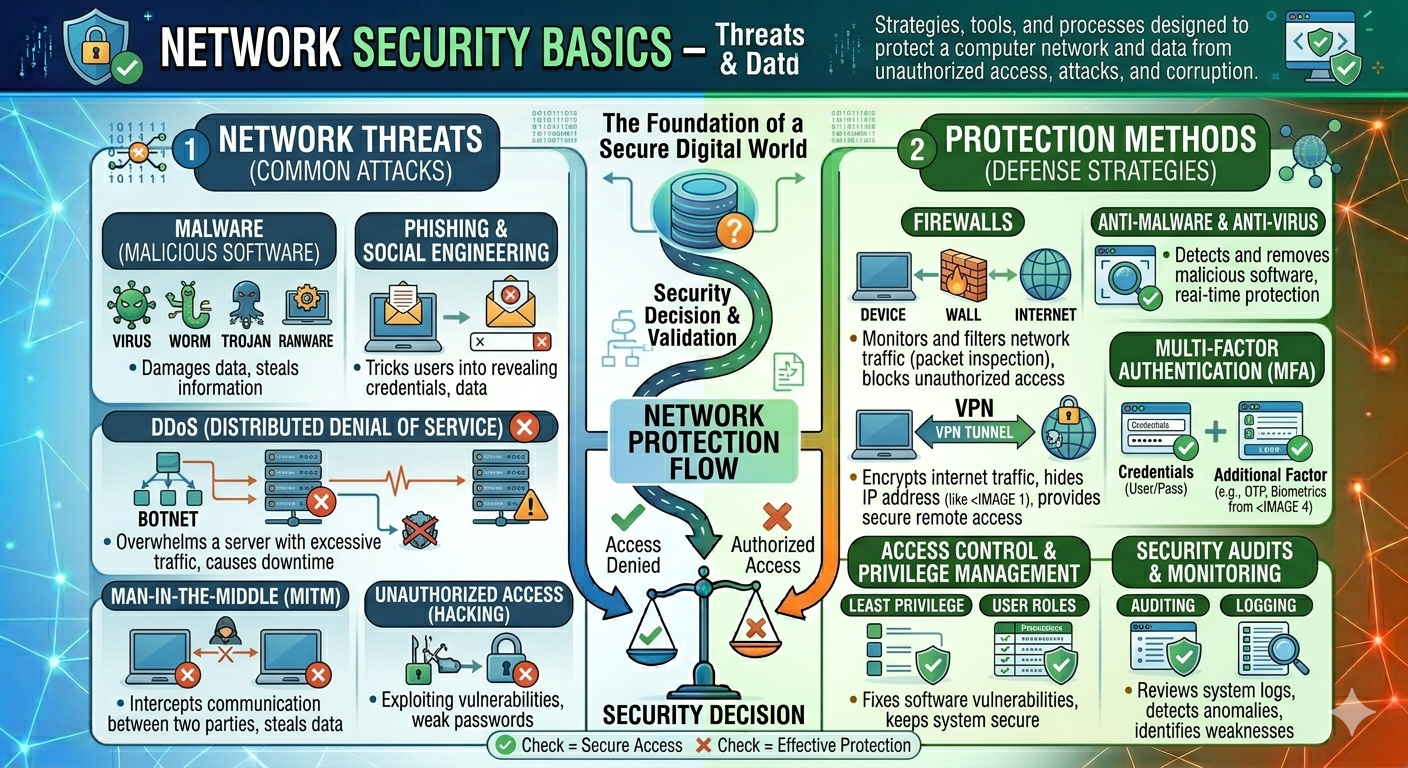
Network Security Basics – Threats & Protection Methods
May 04, 2026
.png?alt=media&token=11b33f62-1df1-4701-bcac-47fb77241c5e)