Mobile App vs Web App – Which One Should You Build?
 Althaf Mohamed
.png?alt=media&token=11b33f62-1df1-4701-bcac-47fb77241c5e)
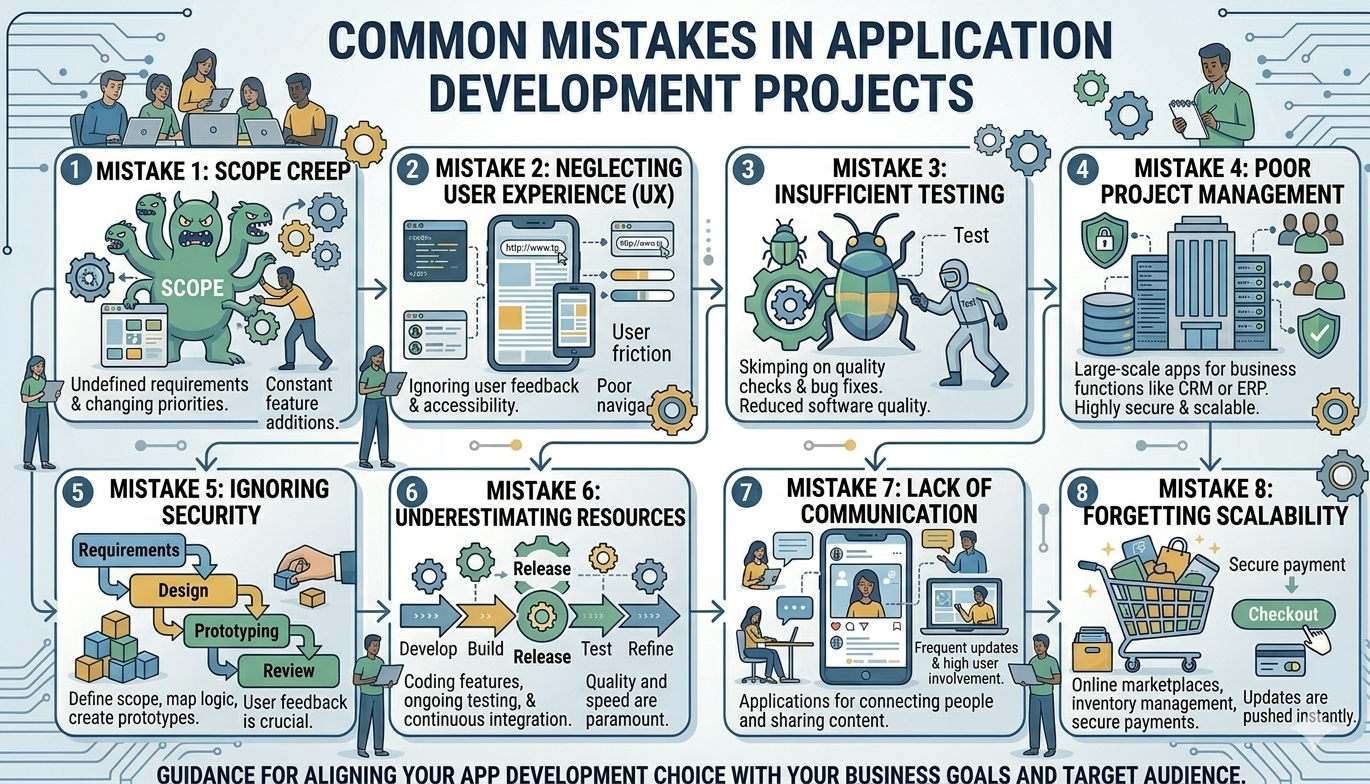
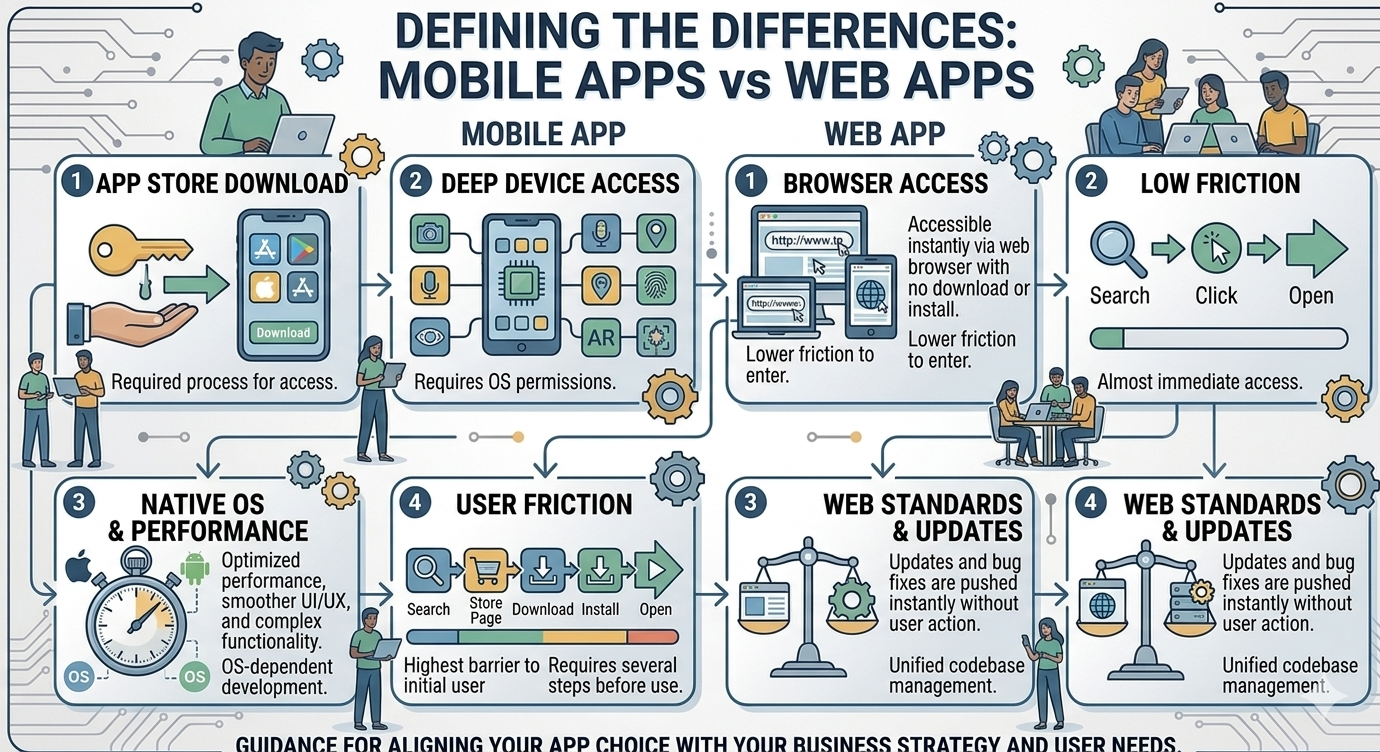
In today’s digital world in today’s digital world, businesses and developers often face a common question: Should we build a mobile app or a web app? Both options have their own advantages, limitations, and use cases. And also, they differ in development cost, performance, accessibility, maintenance, and user experience.
Choosing the right platform depends on factors such as your target audience, budget, development timeline, and the features you want to offer. Understanding the differences between mobile apps and web apps can help you make a better decision for your project.
What is a Mobile App
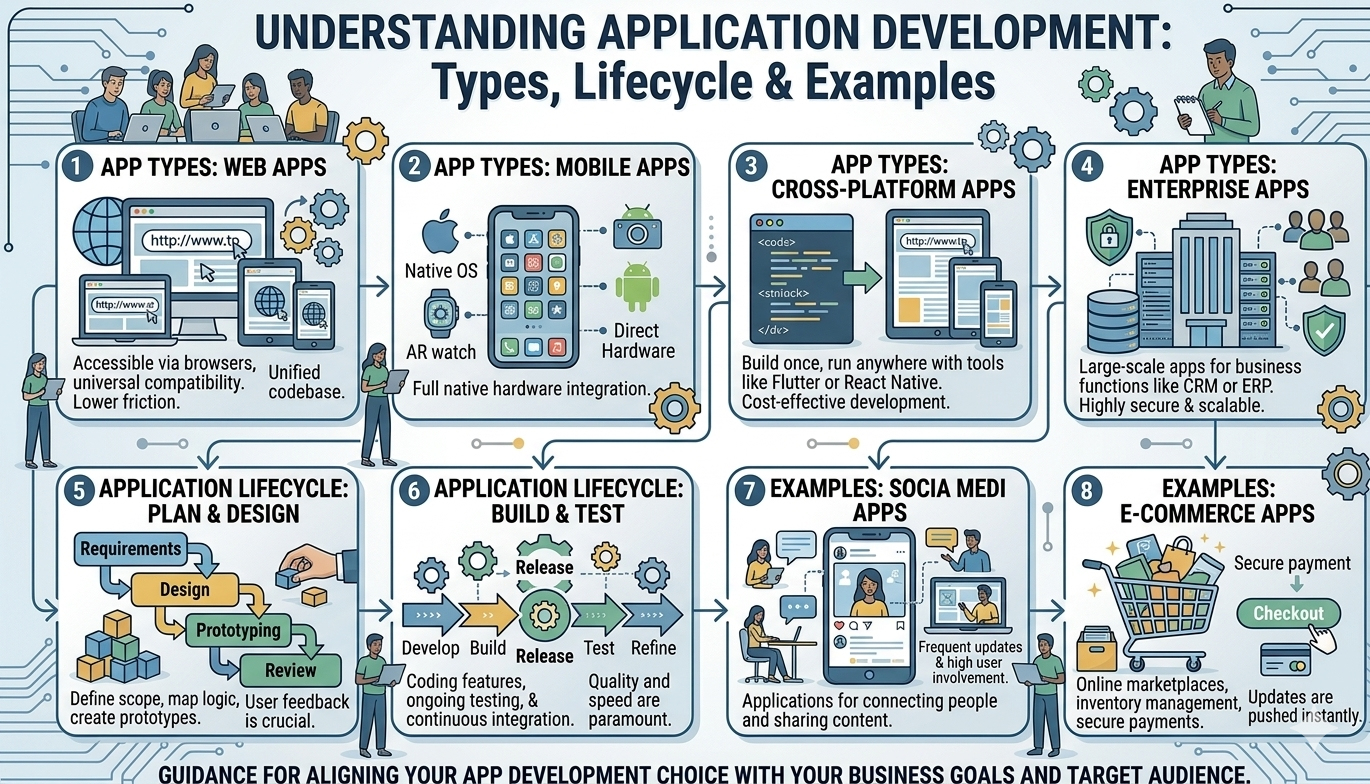
A mobile app is a software application specifically designed to run on mobile devices such as smartphones and tablets. These apps are usually downloaded and installed from app stores like the Apple App Store or Google Play Store.
Mobile apps are built using programming languages and frameworks that are optimized for mobile operating systems such as Android and iOS.
Mobile apps are built using technologies such as:
Java
React Native
Dart
Flutter
Andriod Studio
Examples of popular mobile apps include:
Instagram
WhatsApp
TikTok
Uber
Spotify
Mobile apps can access device features such as the camera, GPS, microphone, and notifications, which allows developers to create more interactive experiences.
What is a Web App?
A web app is an application that runs in a web browser and does not require installation on a device. Users can access web apps through a URL using browsers like Chrome, Safari, or Firefox.
Web apps are built using web technologies such as:
HTML
CSS
JavaScript
Backend languages like Node.js, PHP, or Python
Examples of popular web apps include:
Google Docs
Gmail
Canva
Web apps are accessible from any device with an internet connection, making them highly flexible and easy to maintain.
When Should You Build a Mobile App?
You should consider building a mobile app if:
Your app requires offline functionality
You need access to device features like camera or GPS
You want to send push notifications
You want the best possible performance
Your target audience frequently uses smartphones
Examples include ride-sharing apps, gaming apps, fitness tracking apps, banking applications and social media platforms.
When Should You Build a Web App?
A web app may be a better choice if:
You want a faster and cheaper development process
Your application needs to work on multiple devices
Your target audience prefers browser access
Your app mainly provides information or services online
Examples include project management tools, online dashboards, educational portals, booking systems and SaaS platforms.
Hybrid Approach: Progressive Web Apps (PWAs)
A Progressive Web App (PWA) combines the advantages of both mobile apps and web apps.
PWAs can:
Work offline
Send push notifications
Be installed on a device
Run inside a browser
Many companies use PWAs as a cost-effective solution that delivers an app-like experience without building separate native apps.
Both mobile apps and web apps have their own strengths and limitations. The best choice depends on your business goals, budget, and user needs.
Mobile apps are ideal when performance, device integration, and user experience are critical. On the other hand, web apps are perfect for projects that require quick deployment, lower costs, and accessibility across multiple devices.
Before making a decision, carefully evaluate your project requirements and long-term goals. In many cases, starting with a web app and later developing a mobile app can be a smart and scalable strategy.
Frequently Asked Questions
Althaf Mohamed
Technical Author
Software Engineer and technical author specializing in web architectures, databases, and secure distributed systems.
Trending Now
Recent Posts

Beginner's Guide to Software Development: Everything You Need to Know in 2026
May 30, 2026
TypeScript vs JavaScript - Key Differences
May 04, 2026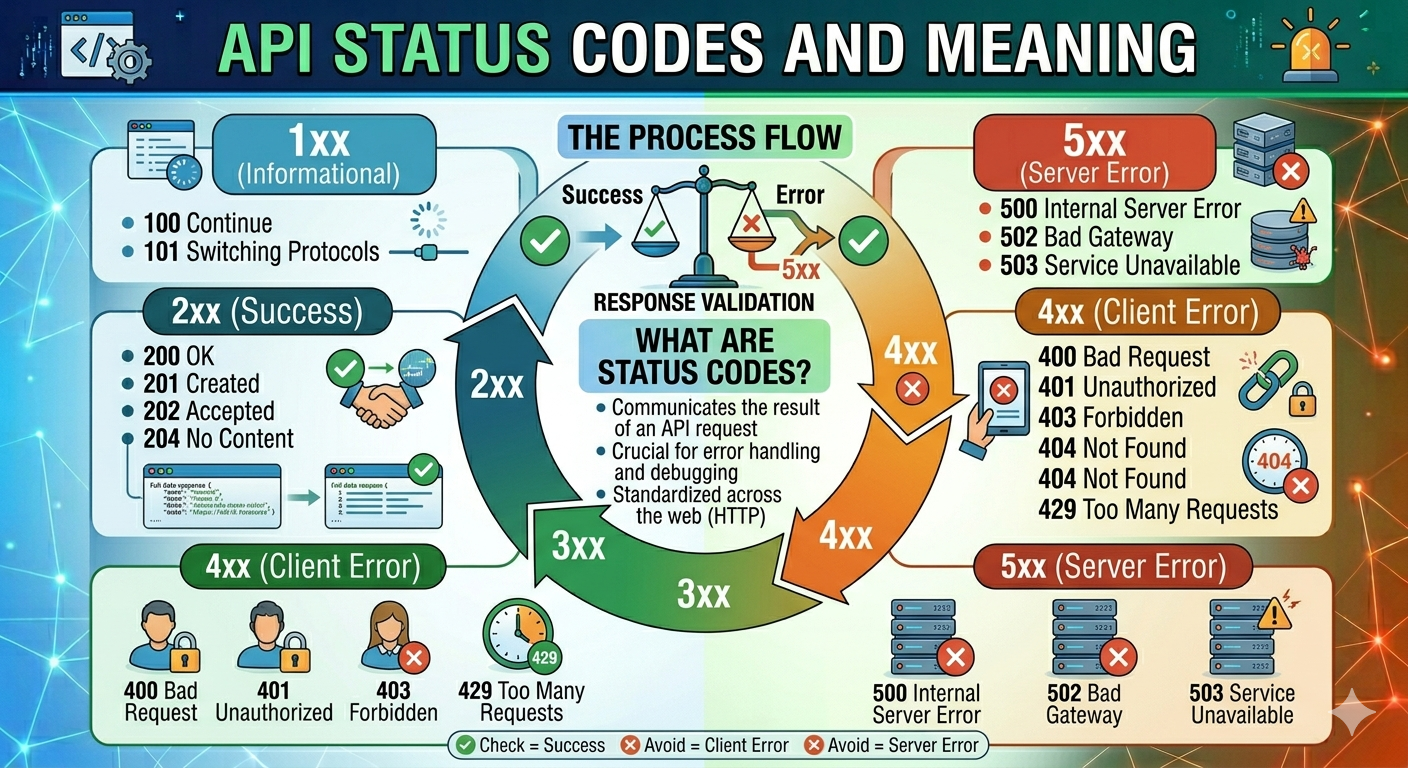
API Status Codes & Meanings
May 04, 2026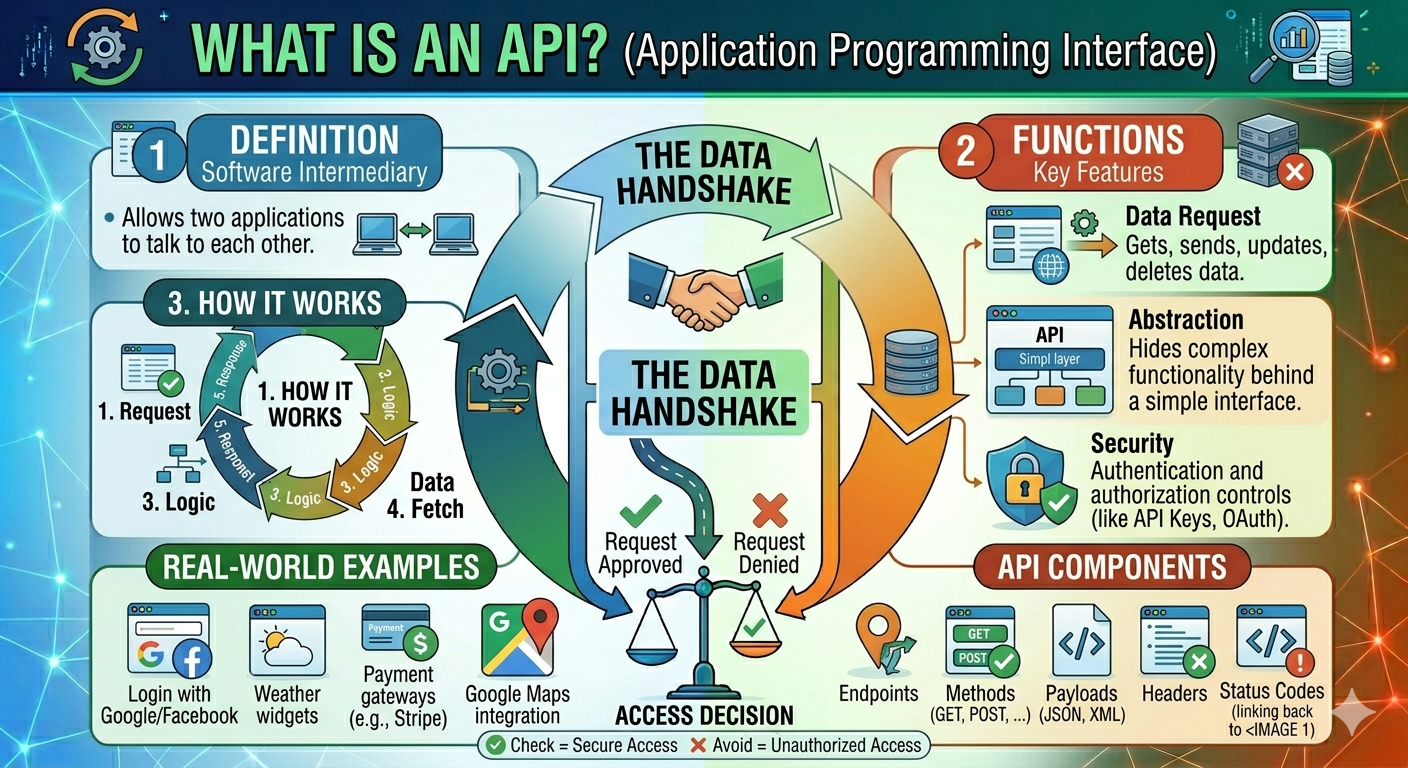
What is an Application Programming Interface (API)
May 04, 2026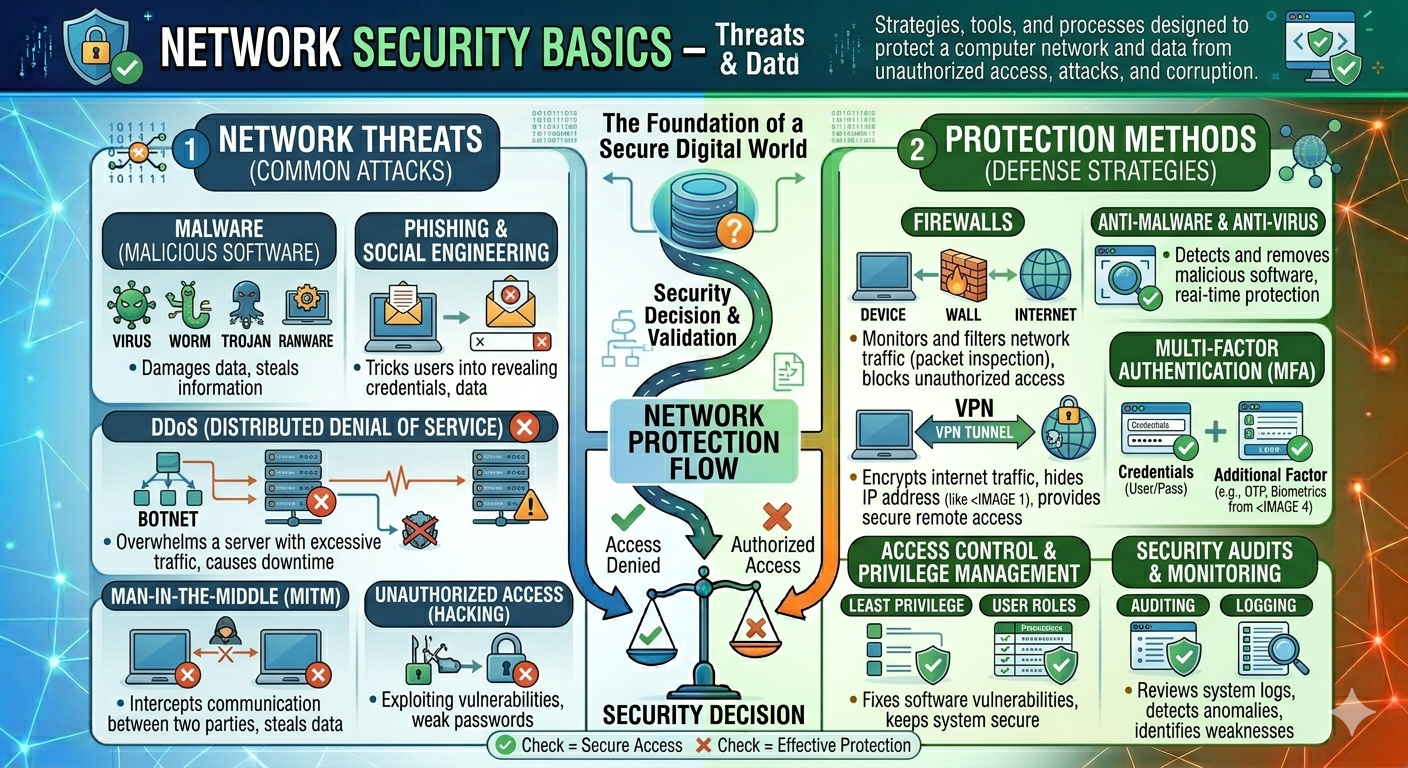
Network Security Basics – Threats & Protection Methods
May 04, 2026